Five-Finger Scratch Tester T113
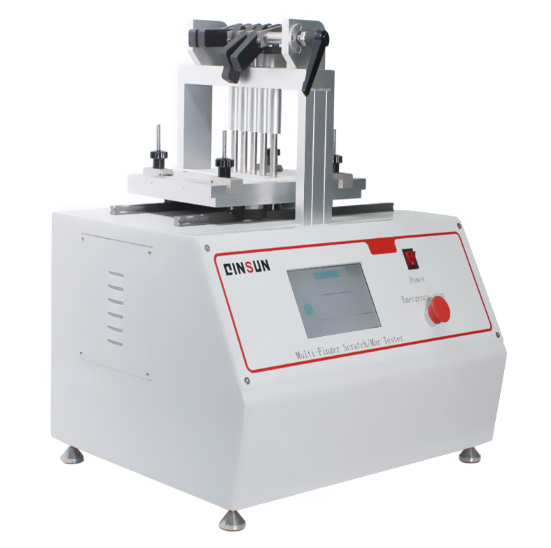


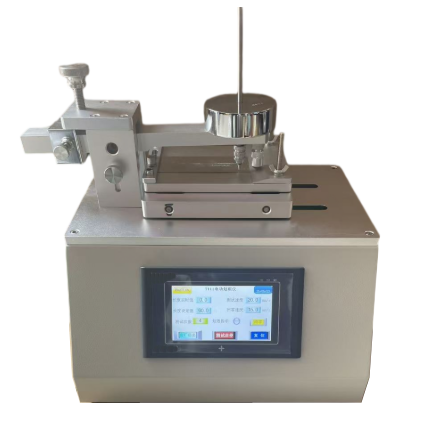
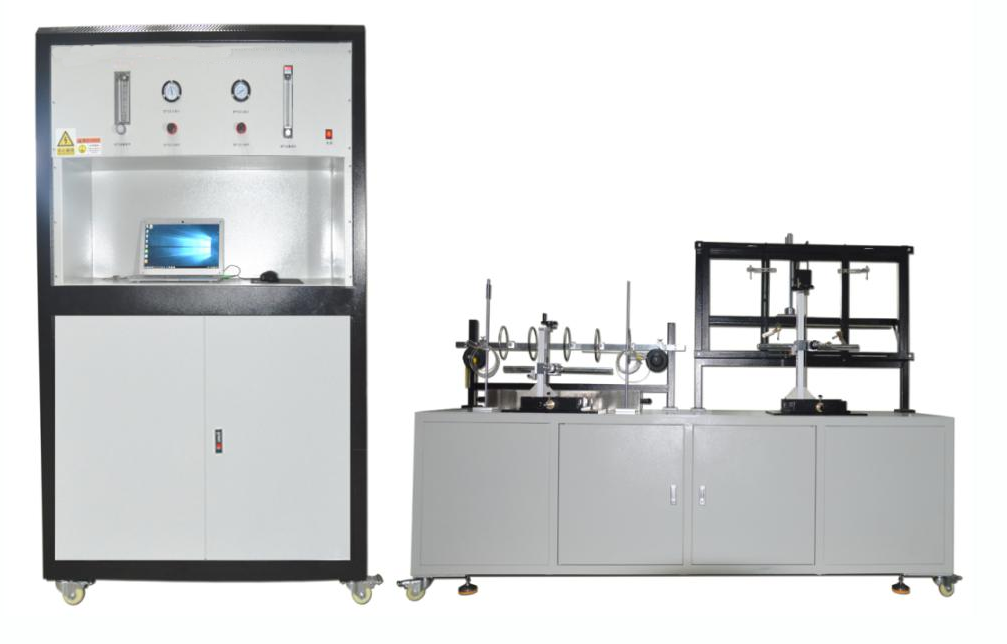
The Five-Finger Scratch Tester is a precision instrument designed to assess the scratch resistance of automotive interior materials, plastics, rubbers, leathers, coated fabrics, coatings, composites, paints, inks, and soft metals. By using five independently controlled scratch fingers with adjustable weights and interchangeable tips, you can accurately quantify surface wear caused by physical abrasion under controlled loads and motion. This system provides reliable, repeatable data for product development, quality control, and performance verification.
Applications
The Five-Finger Scratch Tester is suitable for testing automotive interior materials, plastics, rubber, leather, coated fabrics, coated materials, composite materials, paints, inks, soft metals, and other industries. It is widely used in product quality control, performance verification for new product development, and testing by inspection agencies. It is applicable for determining material properties in production department quality control, third-party testing agencies, laboratory product performance verification, and quality and technical supervision departments.
Standards
FORD FLTM BN 108-13 Scratch Resistance Test for Automotive Exterior Components (e.g., Painted Plastic Surfaces)
General Motors DMN 3943 Test Method for Scratch Resistance of Automotive Interior Materials
Daimler-Chrysler LP-463DD-18-01 Surface Scratch Resistance Test for Automotive Interior Component Materials
Features
1. Utilizes an LCD screen to control and display the testing process, allowing users to freely configure parameters such as test load, stroke, and movement speed according to requirements. The unique sample fixture design ensures secure clamping and convenient operation.
2. The equipment employs high-quality stepper motor control with guide rail transmission for both lateral and longitudinal movements. This design minimizes clearance, delivers smooth motion with low noise, achieves high testing accuracy, ensures excellent data repeatability, and extends the equipment's service life.
Parameters
| Item | Specifications |
|---|---|
| Test Mode | Automatic |
| Test Speed | 10–200 mm/s |
| Stroke | 10–200 mm |
| Number of Scratches | Configurable |
| Scratching Head Size | Interchangeable arbitrarily |
| Scratching Head Lifting | Manual |
| Control Screen | Intelligent touchscreen |
| Scratching Fingers | 5 pieces |
| Overall Dimensions (L×W×H) | 650mm×600mm×700mm |
| Weight | 45 kg |
Accessories
Standard configuration
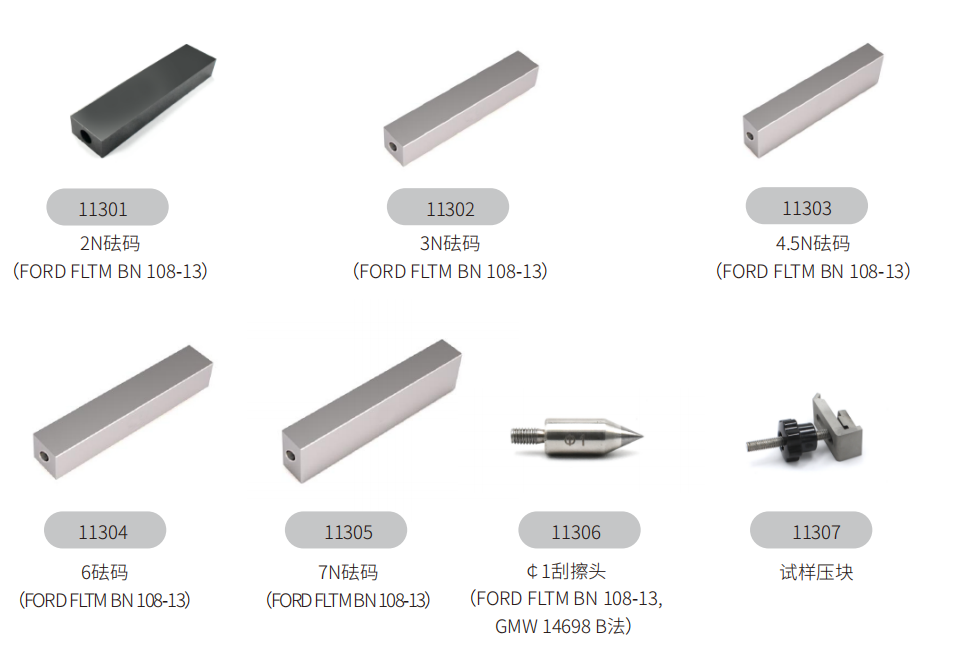
Optional accessories
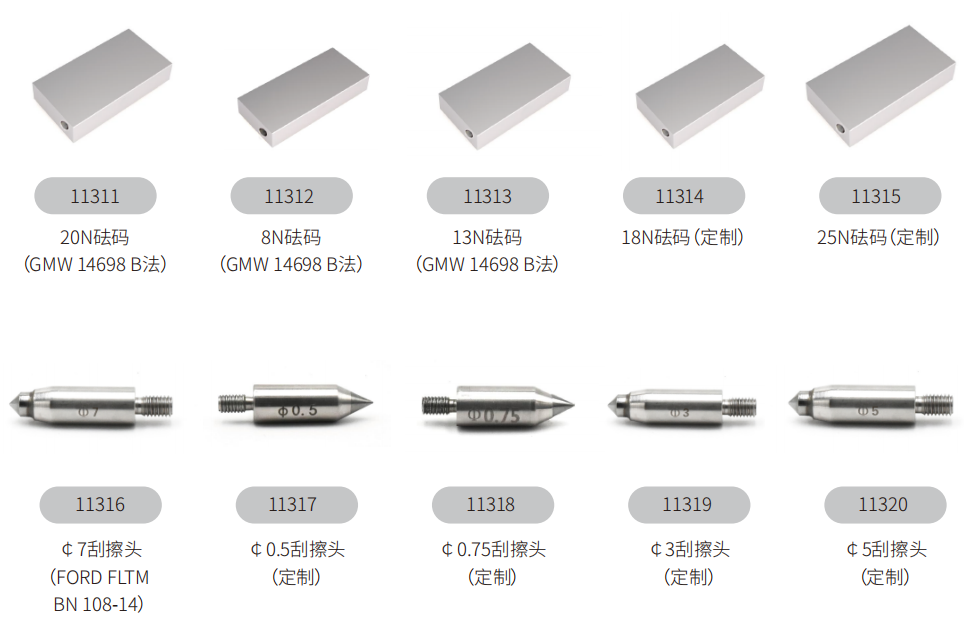
Test Procedures
I. Preparation:
1. Inspect accessories: Ensure all components are present, including the scratching finger, weights, shaft rod, etc.
2. Secure Test Specimen: Place the test specimen flat on the testing platform and secure it with clamping blocks.
II. Installation and Parameter Setup:
1. Install Scratch Fingers: Attach scratch fingers (e.g., tungsten carbide tips) to the bottom of five independent shaft rods and hang weights.
2. Set Parameters: Configure test load (e.g., weight of weights), stroke distance, movement speed, and cycle via the LCD screen.
III. Test Execution:
1. Initiate Test: Activate the instrument. The guide rail begins transmission, and the scratching fingers scrape the sample surface back and forth according to preset parameters.
2. Observe the process: Ensure stable equipment operation during testing and avoid external interference.
IV. Conclusion and Analysis:
1. Stop the test: After the timer ends, the guide rail automatically stops. Raise the cross-axis support.
2. Remove the sample: Loosen the clamping block, remove the specimen, and inspect indicators such as scratch depth and width.
3. Evaluate data: Compare the scratch resistance of different specimens and analyze material properties.
FAQ
1.What types of materials can I test with the Five-Finger Scratch Tester?
Plastics, rubbers, leather, coated fabrics, coatings, paints, inks, soft metals, and composites.
2.How are the scratch loads applied?
Adjustable weights on each scratch finger apply a constant vertical load to the sample surface.
3.Can the scratch fingers be customized?
Yes, each of the five fingers can be fitted with interchangeable tips (e.g., tungsten, steel) and different weights.
4.How do you ensure repeatable results?
Precision stepper motors, low-friction guide rails, and secure sample clamping provide consistent motion and load application.
5.What test parameters can I control?
Load, stroke distance, motion speed, number of scratches, and scratch tip type.
Leave Message Get Price