

AATCC 162 Test Method

What Is the AATCC 162 Test Method
AATCC 162 is a standard test method issued by the American Association of Textile Chemists and Colorists (AATCC). It is used to evaluate the severity of the “clinging” phenomenon caused by static electricity accumulation in textile materials under low-humidity conditions.
Core purpose of the test
Evaluate the antistatic performance of fabrics
Determine whether fabrics are prone to the following during wear:
Clinging to the legs
Adhering to the skin
Adhering to inner garments
Provide quantitative data for garment comfort and functional performance
Form of test results
Rating-based evaluation
Results range from Grade 1 to Grade 5 (Grade 5 being the best)
Scope of Application of AATCC 162
Applicable materials
Woven fabrics
Knitted fabrics
Synthetic fiber fabrics
Blended fabrics
Common test objects
Women’s apparel fabrics (skirts, trousers)
Underwear and lining materials
Chemical fiber garments
Functional antistatic fabrics
Not applicable for measuring surface resistivity, volume resistivity, or electric charge quantity
AATCC 162 is a wear-experience-oriented functional test
Principle of the AATCC 162 Test
Basic principle
Under specified temperature and humidity conditions, the fabric specimen is rubbed against a standard lining material to generate static electricity, and then the degree of electrostatic clinging of the specimen in a free state is observed.
More severe clinging → poorer antistatic performance
Less clinging → better antistatic performance
Key physical mechanisms
(1) Triboelectric charging
Contact and separation between the fabric and the standard rubbing material
Generation of static charges
(2) Amplification effect of low-humidity environment
The lower the humidity, the more difficult it is for static electricity to dissipate
AATCC 162 places special emphasis on humidity control
(3) Manifestation of electrostatic clinging
Whether the fabric tightly adheres to the support
Whether it is difficult for the fabric to drape naturally
Test Condition Requirements of AATCC 162 (Critical)
Environmental conditions
Temperature: 21 ± 1 °C
Relative humidity: 20 ± 2 %
This is the core condition of AATCC 162
If the humidity deviates, the test results are completely invalid.
Specimen requirements
Specimen dimensions: cut according to the standard (usually strip-shaped)
At least 3 tests per sample
Specimens must be fully conditioned before testing (at least 4 hours)
AATCC 162 Test Procedure
Specimen preparation
(1) Cut fabric specimens according to the standard
(2) Mark warp and weft directions
(3) Condition specimens under specified temperature and humidity
Test operation steps
(1) Bring the specimen into contact with the standard rubbing material
(2) Perform rubbing in the specified manner
(3) Hang or place the specimen on the test apparatus
(4) Observe the natural drape of the fabric
(5) Assign a rating based on the degree of clinging
Rating criteria (illustrative)
| Grade | Description |
|---|---|
| 5 | No noticeable static clinging; completely natural drape |
| 4 | Slight clinging; does not affect wear |
| 3 | Moderate clinging; slightly affects comfort |
| 2 | Obvious clinging; affects wear |
| 1 | Severe clinging; fully adheres |
Expression of AATCC 162 Test Results
Test reports typically include:
Test method: AATCC 162
Test environmental conditions (temperature and humidity)
Fabric type and structure
Test direction (warp / weft)
Individual test results
Average rating
Observational remarks
Example statement
The resistance to clinging due to static electricity was evaluated according to AATCC Test Method 162.
The specimen exhibited a clinging rating of Grade 4 under standard test conditions.
Differences Between AATCC 162 and Other Antistatic Tests
| Standard | Test focus |
|---|---|
| AATCC 162 | Wear-related clinging (subjective + standardized) |
| AATCC 76 | Surface resistivity |
| AATCC 84 | Triboelectric voltage |
| IEC / GB antistatic tests | Electrical performance |
AATCC 162 is more focused on garment comfort and consumer experience
Key Laboratory Implementation Points (Engineering Experience)
Humidity control is the decisive factor
Test personnel must be trained in rating determination
It is recommended to use image references for rating comparison
Different batches of samples should be tested in the same batch
Cross-laboratory direct comparison of results is not recommended
Common Application Scenarios of AATCC 162
Fabric selection for garments
Evaluation of antistatic finishing effectiveness
Comparative testing in product R&D
Quality acceptance and technical documentation for trade
Required Equipment for AATCC 162 Testing (Colorfastness to Water/Pool Water)
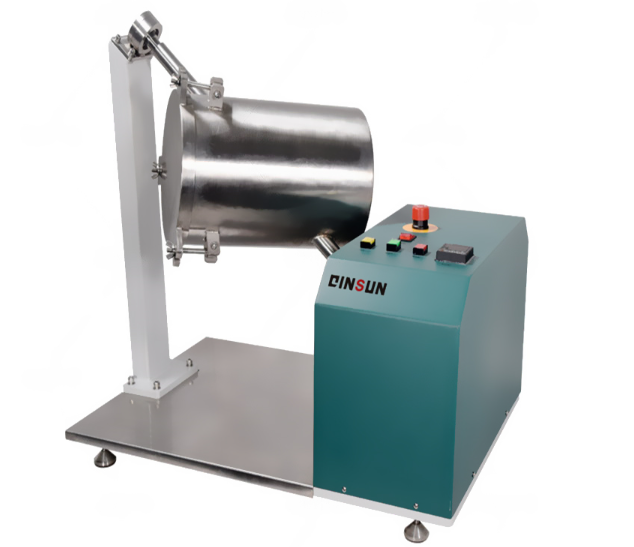
Chlorinated Water Fastness Tester
Used to perform AATCC 162 by immersing specimens in chlorinated pool water conditions.
Structurally, it is a large circulating bath with controllable:
Temperature
Agitation/stirring
Bath volume
The equipment allows the specimens to be soaked in chlorinated water and evaluates any changes in colorfastness.
Note: AATCC 162 does not require any specialized static electricity tester, as its main purpose is to assess colorfastness to washing/swimming pool water, not antistatic performance.
2026-01-04 15:27
- Related News
How to Choose a Suitable Drying Rate Tester?
What Is a Fabric ICI Pilling and Snagging Box?
How to Choose an ICI Mace Snag Tester?
What a Fiber Oil Extractor Actually Does?
Snap Button Pull Tester: Garment Accessory Tensile Strength Testing Guide
Guide to Block-on-Ring Friction Wear Equipment
How to Choose Universal Multifunction Tribology Test Machine
How to Choose an Air-Cooled Xenon Lamp Aging Chamber
What Does an Ozone Aging Chamber Test? Standards and Operating Methods
Fabric Cool Feeling Tester: Working Principle, Standards and Selection Guide