Motor Rotor Drying Tunnel Oven
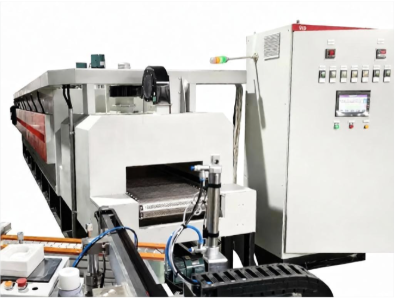


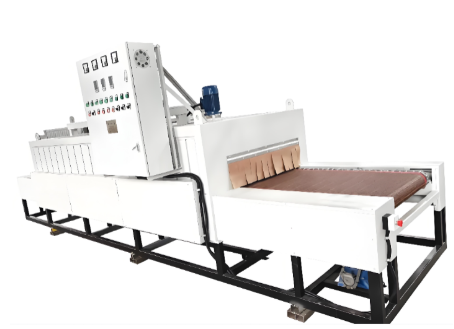
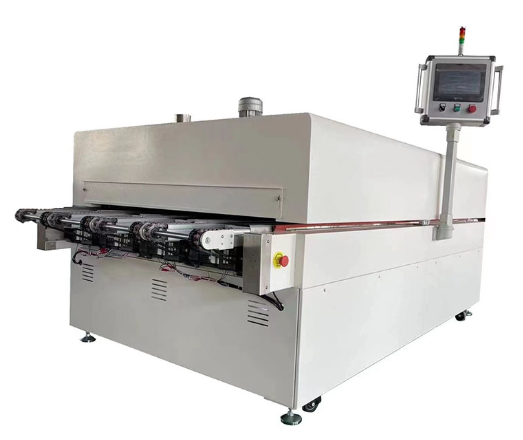
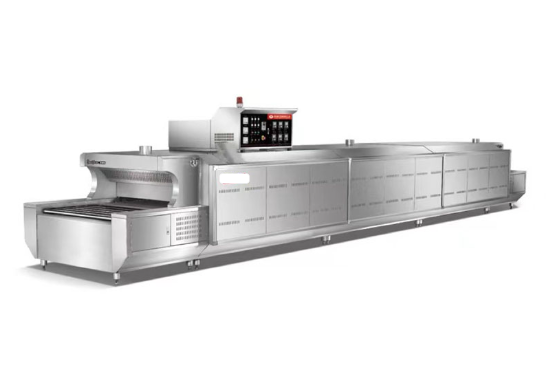
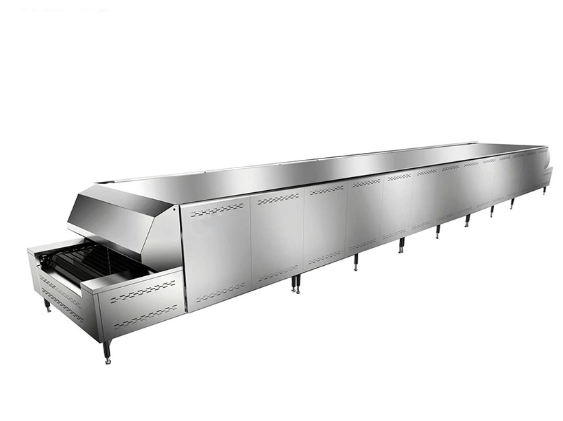
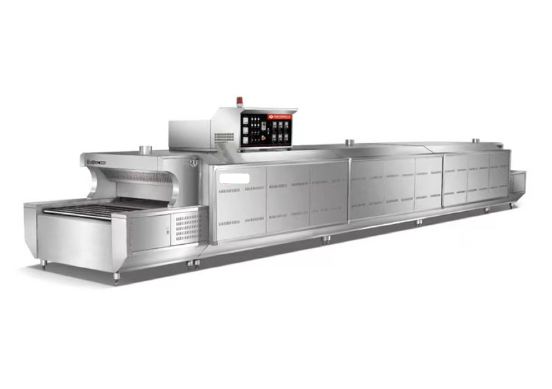
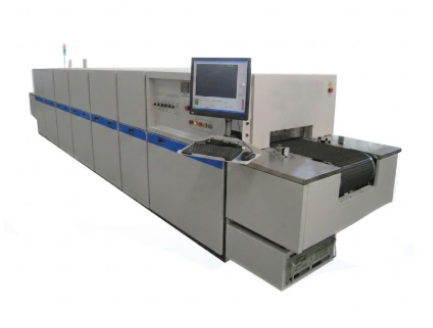
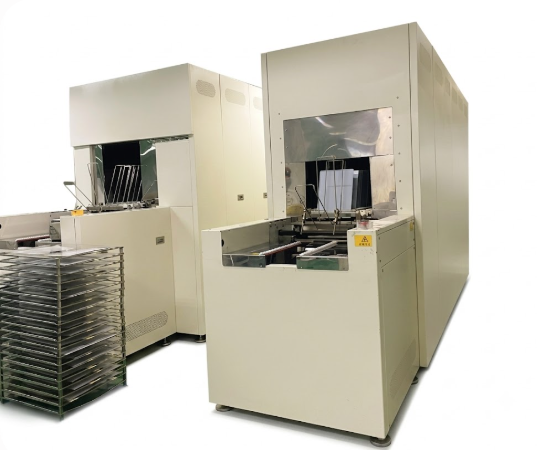
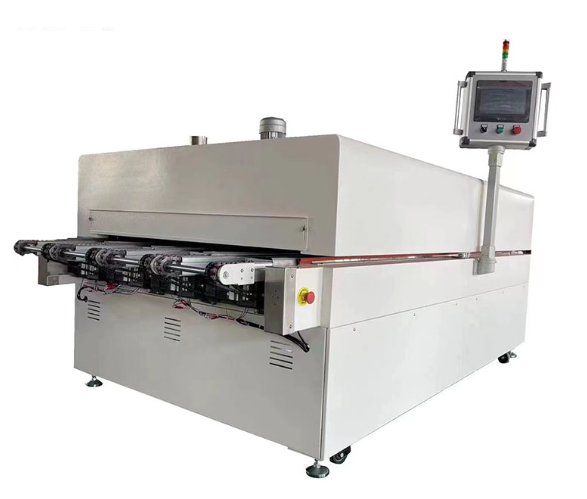
The Motor Rotor Drying Tunnel Oven is a continuous industrial drying equipment specially designed for motor manufacturing and maintenance processes.It adopts a streamlined tunnel structure and uses hot air circulation heating or far-infrared heating technology to continuously heat, hold temperature, and cure motor rotors transported through the conveyor system.The equipment is mainly used for curing insulation varnish after rotor winding impregnation and removing moisture through controlled heating, improving the insulation performance and service life of motor components.
Applications
Insulation Varnish Curing
After motor rotor winding and impregnation processes, including:
Conventional varnish impregnation
Vacuum pressure impregnation (VPI)
the rotor is heated at a controlled high temperature for a certain period to fully cure the insulation varnish and improve:
Electrical insulation performance
Mechanical strength
Long-term reliability
Resin Hardening and Drip Coating Curing
Used for:
Drip coating processes of new energy vehicle motor rotors
Resin coating curing
Rapid surface hardening treatment
to improve coating adhesion and insulation protection.
Moisture Removal and Preheating
Used for:
Drying and dehumidifying rotors after machining or cleaning
Preheating before subsequent production processes
to ensure stable processing quality.
Standards
The equipment manufacturing and process implementation generally comply with the following standards:
GB/T 10067.1 / GB/T 10067.4
Basic Technical Requirements for Electric Heating Equipment — General Requirements and Indirect Resistance Furnace Requirements
GB 5226.1
Safety of Machinery — Electrical Equipment of Machines, Part 1: General Technical Conditions
JB/T 8439
Technical Specifications for Thermal Curing Process of High and Low Voltage Pre-Wound Motor Insulation
GB 20052
Minimum Allowable Values of Energy Efficiency and Energy Efficiency Grades for Three-Phase Distribution Transformers and Related Energy-Saving Evaluation Requirements
Explosion-Proof Standards (GB 3836 Series)
Since flammable volatile gases may be generated during varnish drying, the furnace structure must comply with industrial explosion-proof safety design requirements.
Features
Continuous Production Operation
Uses:
Tray chain conveyors
Stainless steel mesh belts
to connect with upstream and downstream automated production processes.
Advantages:
Large production capacity
Reduced manual operation
Improved production efficiency
Multi-Zone Precise Temperature Control
The furnace is usually divided into:
Preheating zone
High-temperature heating zone
Heat preservation zone
Cooling zone
Each zone adopts independent PLC temperature control.
Temperature uniformity can generally be controlled within ±5°C, ensuring stable curing quality.
Explosion-Proof Exhaust and Safety System
Equipped with:
High-volume ventilation system
Forced exhaust system
to quickly dilute and discharge volatile flammable gases generated during drying, reducing the risk of combustion and explosion.
High Efficiency and Energy Saving
Features include:
Optimized hot air circulation system
High-density thermal insulation layer
High heat utilization efficiency
Fast temperature recovery capability
These designs significantly reduce energy consumption during continuous operation.
Leave Message Get Price