Fogging Test Equipment
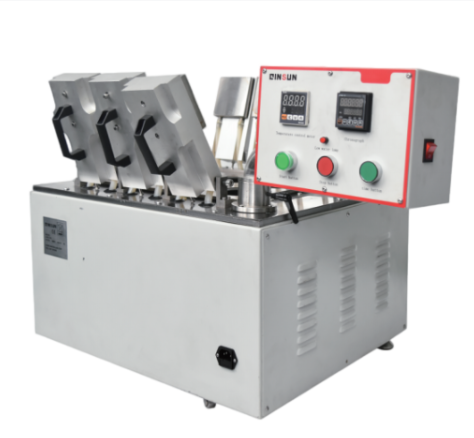


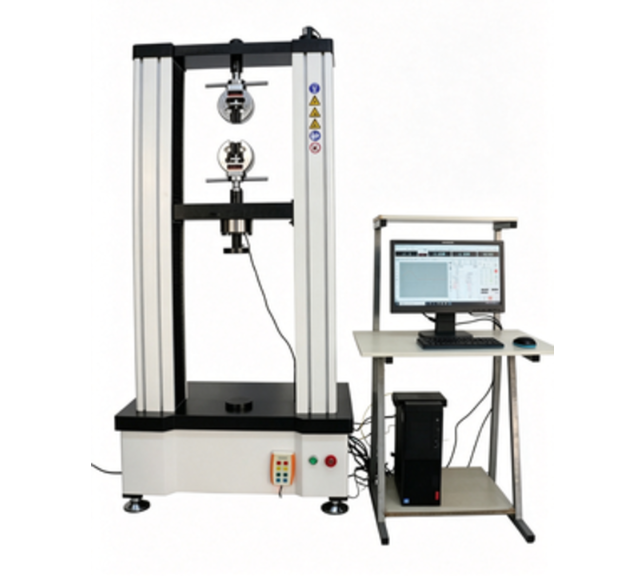
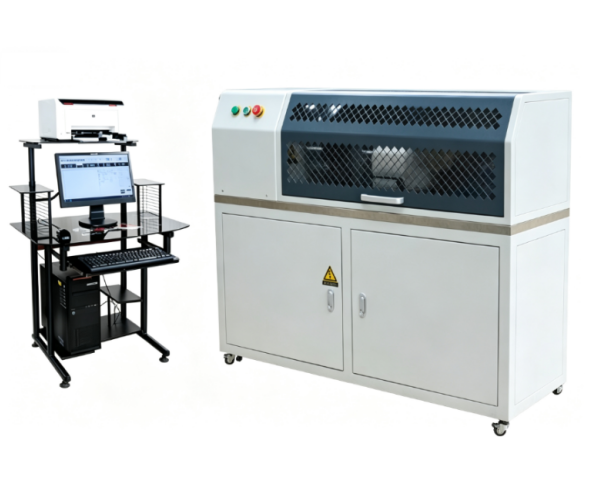
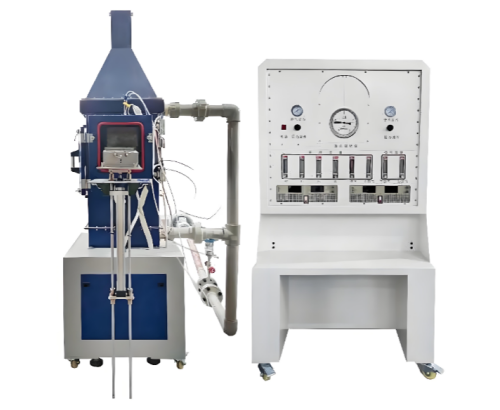
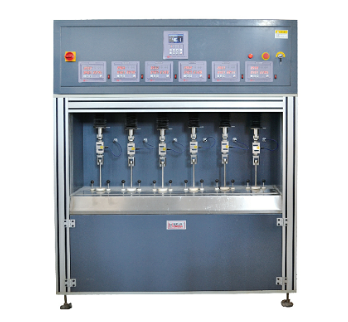
The Fogging Test Equipment is designed to test the fogging phenomena of leather and fabric under specified environment conditions, suitable for the fogging property evaluation of volatile components of the interior trimming materials used in cars and aircrafts under high temperature, and the instrument can also be used to test the fogging property of car xenon lamps.
Application
(1) Fogging performance evaluation of automotive interior materials
(2) Testing of leather, fabric, and coated textile materials used in vehicle interiors
(3) Evaluation of volatile component emissions from plastic and non-metallic trim parts
(4) Quality control of automotive interior components such as dashboards, seats, and panels
(5) Fogging assessment of aircraft cabin interior materials
(6) Fogging performance testing of materials used with automotive lighting systems
Working Principle
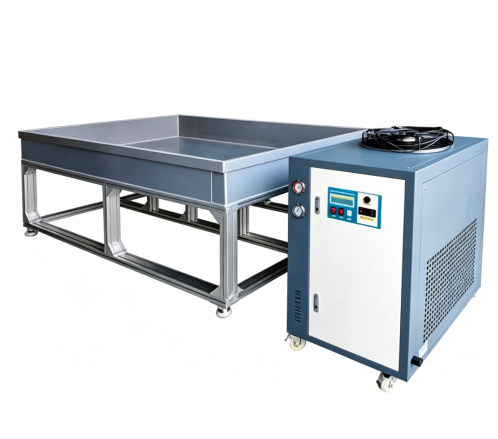
The main frame of the Fogging Tester includes a water sink fully filled with specified ethylene glycol, which can reach a high temperature. At the time of testing, leather specimens are put in the six standard glass containers filled with high temperature liquid, and the stainless steel containers are placed above each glass.
Relying on the constant water flow distribution, the temperature can maintain at 20℃ constantly, and it can be adjusted through the regulation device connected to the main frame. This controlled environment condition will generate a layer of “fog” on the surface of specimens. The operator can determine the fogging characteristics of materials based on gravimetric analysis method or refraction method.
Standards
DIN 75201 Determination of the fogging characteristics of trim materials in the interior of automobiles
ISO 6452 Rubber or plastics coated fabrics-determination of fogging characteristics of trim materials in the interior of automobiles
SAE J1756 Test procedure to determine the fogging characteristics of interior automotive materials
QB/T 2728 Leather-physical and mechanical test-determination of fogging characteristics.
BS EN 14288 Leather - Physical and mechanical tests - Determination of fogging characteristics
PV 3920 Determination of fog value (F) of non-metallic interior materials
PV 3015 Non-metallic materials for interior trim-determination of condensable constituents.
ES-X83231 Standard test method-For fogging of interior materials
NES M0161 Interior materials fog test method
D45 1727 TRIM MATERIALS AND PARTS FOR INTERIOR AND PASSENGER COMPARTMENT PARTS - FOGGING - CONDENSATION
GM 9305P Determination of fogging characteristics of automotive interior trim materials
TSM 0503G Fogging test method for non-metallic materials
Technical Parameter:
Hot bath temperature range: room temperature ~ 150 ℃ (room temperature ~ 280 ℃ optional)
High-temperature tank temperature control accuracy: ± 0.1 ℃ (150 ℃)
Low bath temperature range: 0 ~ 100 ℃
Cold tank temperature control accuracy: ± 0.1 ℃
High temperature trough Dimensions: 670 mm (L) × 490 mm (B) × 540 mm (H)
Cryogenic tank Dimensions: 400 mm (L) × 220 mm (B) × 520 mm (H)
Temperature tank Weight: 32kg (not including the thermally conductive medium)
Cryogenic tank Weight: 15kg (not including the thermally conductive medium)
Power: AC 220V 50Hz
Weight: 50kg
Size: 500 * 650 * 600mm
Temperature stability: ± 0.1 ° C (200 ° C)
Heating power: 3KW
Cooling capacity: 500W
Data communication: multi-function remote sensor and USB port
Safety magnetic switch
Warning Light
Test completion tips
Features
CONSTRUCTIVE CHARACTERISTICS:
· Internal carrying plane, in structural treated steel, anti-acid painted.
· External protection in sheet steel of proper thickness, anti-acid treated and painted with epoxy resin.
· six work places 18/8 Inox steel test room.
· 18/8 Inox steel lift able cooling system.
· Rapid clutch Agitation System.
· Armored resistances.
· Security thermostat.
· Cooling liquid and relief entry etching with rubber-carrier.
FAQ
(1) What does the fogging test evaluate?
The test evaluates volatile substances released from interior materials under elevated temperatures. These substances may condense on cooler surfaces, affecting visibility, appearance, and material quality. The results help manufacturers select materials with lower fogging tendencies.
(2) Which materials require fogging testing?
Commonly tested materials include leather, coated fabrics, plastics, adhesives, and non-metallic interior components used in vehicles. Testing helps assess whether volatile components meet requirements defined by standards such as DIN 75201 and ISO 6452.
(3) What is the difference between gravimetric and reflection methods?
The gravimetric method measures the mass of condensed substances collected on the cooling plate, while the reflection method evaluates changes in optical properties. The appropriate method depends on customer requirements and applicable standards.
(4) Why is temperature control important during fogging testing?
Fogging behavior is strongly affected by temperature. A stable heating and cooling environment ensures that volatile components evaporate and condense consistently, improving repeatability and allowing accurate comparison between different materials.
(5) How should a fogging tester be selected for laboratory use?
Selection should consider applicable standards, test method requirements, number of test positions, and temperature control stability. Laboratories performing automotive interior material evaluation should choose a system matching their testing scope. Contact QINSUN engineers for professional guidance.
Leave Message Get Price