Nasal Oxygen Cannula Tester
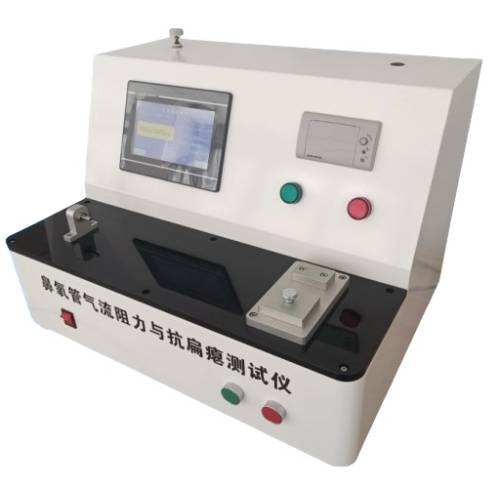


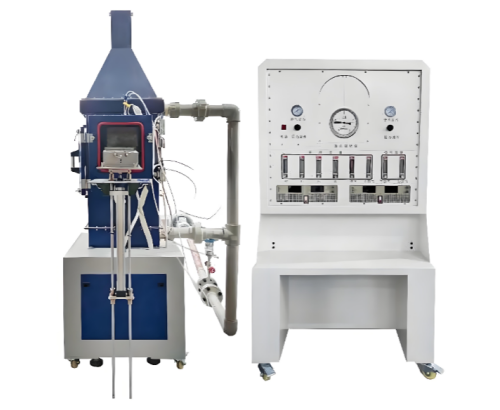
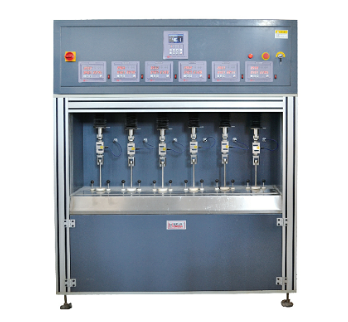
This device is used to test various performance characteristics of nasal cannulas, such as airflow resistance and resistance to kinking. It is also known as a nasal cannula airflow resistance and kinking resistance tester or nasal cannula testing equipment. This device is suitable for all nasal cannulas, whether they are standalone or used in conjunction with humidifiers or masks. It can test parameters such as airflow resistance, resistance to kinking, leakage, pressure resistance, and bending resistance (patency).
Applications
The nasal oxygen tube tester is mainly used to test key parameters of nasal oxygen tubes, such as oxygen content, flow rate, and pressure, as well as to evaluate their physical properties like pressure - resistance, crush - resistance, and air permeability. This tester plays an important role in various aspects, including the production, quality control, and pre - use inspection of nasal oxygen tubes, ensuring that nasal oxygen tubes can provide patients with a stable and effective oxygen supply. Specifically, its main uses are as follows:
- Production Quality Control: During the production of nasal oxygen tubes, manufacturers can use this tester to conduct sampling inspections on finished products, ensuring that each batch of nasal oxygen tubes complies with relevant standards and regulations. - Pre - use Inspection: Before using nasal oxygen tubes, medical institutions can use this tester to conduct quality inspections to ensure that the performance of nasal oxygen tubes is stable, safe, and reliable. - Research, Development and Improvement: The nasal oxygen tube tester can also be used in the research, development and improvement process of nasal oxygen tubes, helping R & D personnel understand the performance characteristics and deficiencies of nasal oxygen tubes, so as to make targeted improvements and optimizations.
Standards
YY/T 1543 - 2017:Nasal Oxygen Cannula
GB/T 1962.1-2005:Conical fittings with a 6%(Luer) taper for syringes, needles and certain other medical equipment -- Part 1: General requirement
Technical Parameters
| Parameter | Specification |
|---|---|
| Test Pressure Range | Usually covers 0 - 600kPa or higher, to meet testing requirements of nasal oxygen tubes with different specifications and materials |
| Test Flow Range | Simulates normal oxygen supply flow (e.g., not less than 15L/min), ensuring air permeability of nasal oxygen tubes in actual use |
| Accuracy | High level of accuracy; e.g., pressure accuracy reaches ±1% or higher, ensuring test result accuracy and reliability |
| Data Collection and Display | Equipped with data collection card and display screen, which collect and display real-time test data (pressure, flow rate, time, etc.) for easy observation and recording |
| Clamping Device | Fixes nasal oxygen tubes to keep their position stable (no displacement/shaking during testing); adaptable to nasal oxygen tubes of different specifications and shapes |
| Operation Interface | Simple and clear for easy operation; some testers are equipped with touch-screen control and menu-style functions to improve operational convenience |
Features
• Supports five major testing functions: airflow resistance, crush resistance, leak testing, and pressure resistance.
• 7-inch color touchscreen control with an intuitive interface for a significantly improved user experience.
• The device is equipped with a miniature printer for real-time printing of test results.
• Equipped with a high-precision pressure sensor, allowing for stable control of output pressure via a rotating pressure knob.
• Equipped with a high-precision flow meter for accurate measurement of flow through the tubing.
• Unique rotary design accommodates crush resistance testing of nasal oxygen tubes with various inner diameters.
• Features a universally designed conical test interface, meeting the testing requirements of most products on the market.
• The device has powerful built-in data storage capabilities.
• Miniature printer and universal USB data interface for convenient data output and transfer.
• Intelligent features such as overload protection and power-off memory effectively ensure user safety.
• Free software upgrade service is provided.
Accessoriess
1 main unit;
1 set of testing software;
1 instruction manual;
1 certificate of conformity;
1 warranty card;
1 delivery receipt;
1 nameplate;
1 power cord;
1 set of wrenches;
Several brochures;
1 x 1/8 barbed connector;
1 x 1/8 Luer connector (male).
FAQ
1. What is the Nasal Oxygen Cannula Tester used for?
The Nasal Oxygen Cannula Tester is used to evaluate multiple performance characteristics of nasal oxygen cannulas. Its main testing items include airflow resistance, resistance to kinking, leakage, pressure resistance, and bending resistance (patency). By simulating oxygen flow and pressure conditions encountered during clinical use, the tester helps assess whether nasal cannulas can maintain stable airflow without blockage, deformation, or leakage. The device is suitable for all types of nasal cannulas, whether used independently or together with humidifiers or masks.
2. Which testing parameters can be measured by this device?
This tester can measure a wide range of functional and physical parameters related to nasal oxygen cannulas. These include airflow resistance, flow rate, internal pressure, leakage performance, crush resistance, pressure resistance, and air permeability. In addition, it evaluates resistance to kinking and bending to ensure patency during use. Real-time data such as pressure, flow rate, and test duration are collected and displayed through the built-in data acquisition system, supporting accurate observation and recording of test results.
3. In which stages is the Nasal Oxygen Cannula Tester mainly applied?
The Nasal Oxygen Cannula Tester is mainly applied in production quality control, pre-use inspection, and research and development. During manufacturing, it is used for sampling inspection of finished nasal oxygen tubes to ensure each batch complies with relevant standards. In medical institutions, it supports pre-use inspection to confirm stable and reliable performance before patient use. In research and development, the tester helps engineers identify performance characteristics and deficiencies, enabling targeted optimization and improvement of nasal oxygen cannula designs.
4. What standards does the Nasal Oxygen Cannula Tester comply with?
The tester supports performance evaluation in accordance with YY/T 1543-2017 for nasal oxygen cannulas. It is also compatible with testing requirements related to GB/T 1962.1-2005. which specifies general requirements for conical fittings with a 6% (Luer) taper used in medical equipment. These standards ensure that tested nasal cannulas meet regulatory and functional requirements for medical use.
5. What are the main technical features of the Nasal Oxygen Cannula Tester?
The device integrates multiple advanced features, including a 7-inch color touchscreen with an intuitive user interface, a high-precision pressure sensor, and a high-accuracy flow meter. It supports multiple testing functions such as airflow resistance, crush resistance, leak testing, and pressure resistance. A unique rotary design allows crush resistance testing for cannulas with different inner diameters. The tester also includes built-in data storage, overload protection, power-off memory, a miniature printer for real-time result printing, and USB connectivity for data transfer.
6. How does the tester ensure accurate and reliable test results?
Accuracy is ensured through the use of high-precision pressure and flow sensors, with pressure accuracy typically reaching ±1% or higher. The tester allows precise control of test pressure and flow rate within defined ranges, such as a pressure range up to 600 kPa or higher and flow rates simulating normal oxygen supply conditions. Stable clamping devices prevent sample displacement during testing, while real-time data display enables continuous monitoring throughout the test process.
Leave Message Get Price