Automatic Engine Oil Apparent Viscosity Tester (CCS)
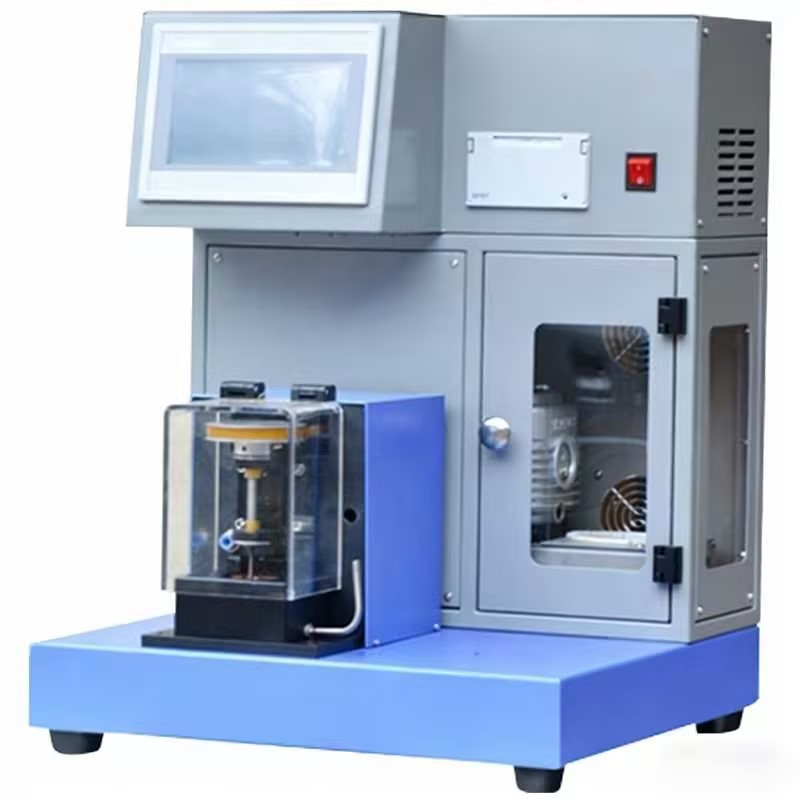


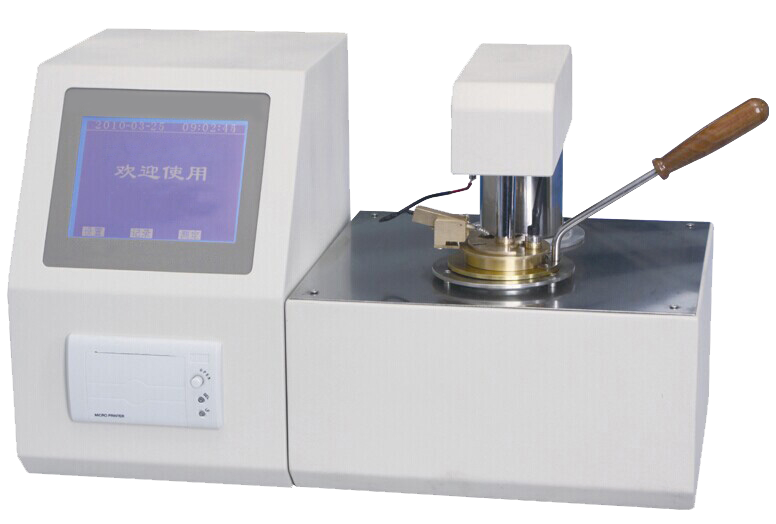
The Automatic Engine Oil Apparent Viscosity Tester (CCS) is a high-precision laboratory instrument designed to measure the apparent dynamic viscosity of engine oils at low temperatures using the Cold Cranking Simulator (CCS) method. Built in accordance with GB/T 6538 and ASTM D5293, the system accurately simulates engine cold-start conditions, enabling reliable evaluation of lubricant performance under high shear and low-temperature environments.
By integrating mechanical systems, optical-electronic sensing, and intelligent software control, the CCS viscosity tester delivers stable temperature control, automated operation, and consistent test results. Its compact, all-in-one design with touchscreen interface and multilingual support makes it suitable for global laboratories, R&D centers, and quality control applications.
Application
The Engine Oil Apparent Viscosity Tester (CCS) is primarily used to evaluate low-temperature flow behavior and cold cranking performance of engine oils.
Typical applications include:
(1)Lubricant quality control
Used for routine testing of production batches to ensure compliance with viscosity specifications.
(2)Engine oil formulation development
Helps researchers optimize base oil and additive combinations for improved cold-start performance.
(3)Automotive laboratory testing
Supports OEM and supplier labs in verifying engine oil suitability for different climate conditions.
(4)Petrochemical research
Used in laboratories studying rheological properties of petroleum products.
(5)Third-party testing and certification
Applicable for independent labs conducting compliance testing according to international standards.
Standards
(1) GB/T 6538:Petroleum Products — Determination of Apparent Viscosity of Engine Oils at Low Temperatures (Cold Cranking Simulator Method)
(2) ASTM D5293:Standard Test Method for Apparent Viscosity of Engine Oils at Low Temperatures Using the Cold Cranking Simulator (CCS)
Parameters
Parameter | Specification |
Cooling Method | Imported compressor refrigeration |
Temperature Range | Ambient to −40 °C |
Circulation | Driven by imported low-temperature circulation pump |
Temperature Control System | PLC-controlled |
Current Control | Software automatic control with automatic lock |
Display | Touch-screen interface |
Calibration Method | Standard oil calibration |
Power Supply | AC 220 V ±10%, 50 Hz |
Features
The Engine Oil Apparent Viscosity Tester features a touchscreen display with multilingual interfaces including Chinese, English, and Russian, making it convenient for global users.
It is equipped with an automatic fault diagnosis system with fault prompts, allowing operators to identify issues with one click.
The tester adopts intelligent software control technology, automatically locking the current switch to completely resolve the instability and inaccuracy issues of traditional mechanical knob locks.
The control system supports different account permissions, where functions vary according to user authority, facilitating easy management.
With an intelligent operating system, users only need to press one button: the instrument automatically heats, times, calculates, maintains temperature, saves results, and prints reports.
The tester provides graphical display, showing real-time parameters such as current, speed, viscosity, and curves.
The tester features an integrated structure, performing detection and cleaning entirely within the main unit, without requiring any external devices.
FAQ
(1)What does a CCS viscosity tester measure?
It measures the apparent dynamic viscosity of engine oils under low-temperature, high-shear conditions, simulating engine cold-start behavior and evaluating lubricant flow performance.
(2)Why is low-temperature viscosity important for engine oils?
Low-temperature viscosity affects engine startability, lubrication speed, and wear protection. Proper viscosity ensures smooth cold starts and reduces mechanical stress during ignition.
(3)Which standards are used for CCS viscosity testing?
The most commonly used standards are GB/T 6538 and ASTM D5293, both defining the Cold Cranking Simulator method for evaluating engine oil performance.
(4)What industries use CCS viscosity testers?
They are widely used in lubricant manufacturing, petrochemical research, automotive testing laboratories, and third-party quality inspection organizations.
(5)What types of CCS testers are available?
Available options include fully automatic integrated systems, semi-automatic models, and advanced research-grade instruments with extended temperature ranges and enhanced data analysis capabilities.
Leave Message Get Price