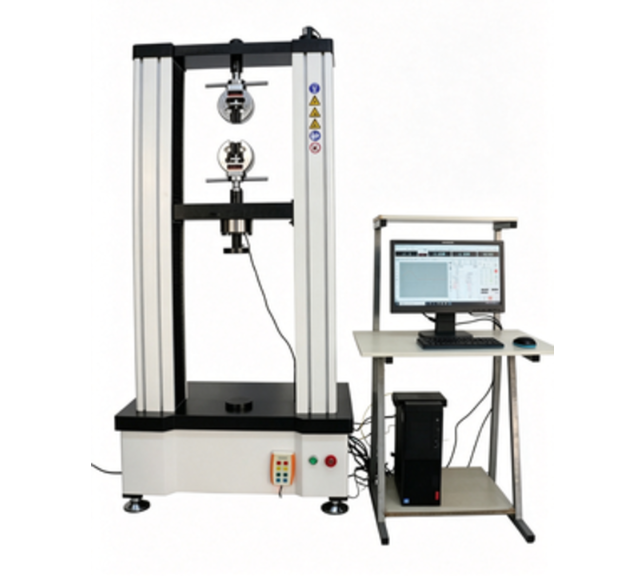
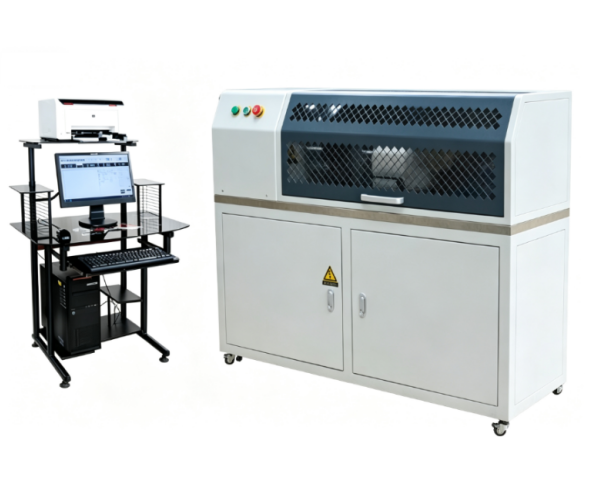
Bicycle Pedal Static Load Tester
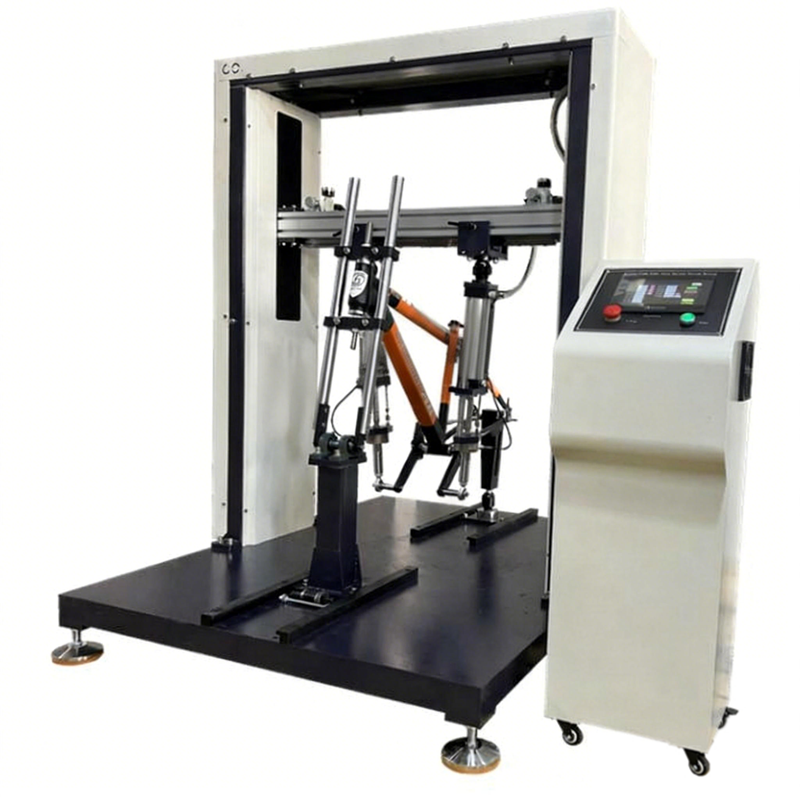


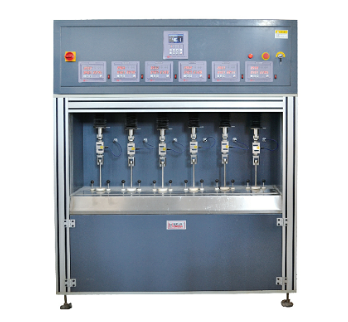
The Bicycle Pedal Static Load Tester is designed to evaluate the static load-bearing performance of bicycle pedals and frames. It precisely applies a controlled static pressure to assess structural integrity and durability. The system features automatic stop functionality, halting the test when the specimen fails or the pressure exceeds the preset range, ensuring safety and reliable testing results.
Application
This tester is suitable for:
(1) Static load endurance testing of bicycle pedals and frames
(2) Bicycle design validation and structural optimization
(3) Quality control and random inspection in bicycle manufacturing
(4) Testing for mountain bikes, road bikes, city bikes, and other bicycle types
(5) Use by third-party testing laboratories and research institutions
Compliance Standards
(1) QB/T 1884-2018 — Bicycle Pedal Static Load Test Method
(2) GB/T 20096-2006 — Bicycle Safety Technical Requirements
(3) ASTM F2264-14 — Non-motorized scooter and pedal vehicle test method
(4) EN 13843:2003 — Roller skates and scooter safety standards
(5) EN 13613:2001 — Bicycle structural safety standards
(6) EN 14619:2004 — Bicycle performance standards
Technical Parameters
| Item | Technical Specification |
|---|---|
| Applicable Size | Customizable according to client bicycle frame dimensions |
| Test Pressure | 0–100 kg |
| Air Pressure Setting | 4–6 kg/cm² |
| Dimensions (L×W×H) | Approx. 1100 × 1500 × 1625 mm (subject to final design) |
| Power Supply | AC 220 V, 50 Hz |
| Control Method | PLC + touchscreen control |
| Automatic Stop Function | Stops when specimen fails or pressure exceeds preset range |
Features
(1) Automatic stop function ensures testing safety
(2) PLC touchscreen control provides intuitive and convenient operation
(3) Customizable test fixtures to match bicycle frame dimensions
(4) Precise application of static load, suitable for pedal fatigue and frame compression testing
(5) Robust structure, simple maintenance, high reliability
(6) Quick-change fixtures to accommodate various bicycle models
Accessories
| Accessory / Consumable | Description |
|---|---|
| Test Fixtures | Custom fixtures for specific frame dimensions |
| Air Supply System | Pressure control 4–6 kg/cm² to ensure stable static load |
| PLC Control System | Touchscreen interface, user-friendly operation |
| Load Sensor | Measures applied pressure accurately |
| Machine Frame | Steel structure with baked paint finish, stable and reliable |
| Power & Connection Cables | AC 220 V, 50 Hz |
| Lubricants / Maintenance Consumables | For regular inspection and upkeep |
Test Principle
The air pressure system applies a static load to the specified location of the bicycle pedal or frame. A load sensor monitors the applied force. When the load reaches the preset value or exceeds the safety limit, the PLC control system automatically stops the test, ensuring safety, repeatability, and reliability.
Operation Instructions
(1) Secure the bicycle frame in the test fixture, ensuring pedals and frame are firmly fixed.
(2) Connect the main power and start the PLC touchscreen interface.
(3) Set test parameters: static load, air pressure range, and number of cycles.
(4) Start the test; the machine automatically applies the static load.
(5) Monitor real-time pressure and system status during testing.
(6) The system automatically stops when the preset safety limit or specimen failure occurs.
(7) Regularly inspect fixtures and air system, maintain lubrication and cleanliness.
Test Procedures
(1) Mount the bicycle frame onto the test fixture and secure it.
(2) Set static load and air pressure parameters.
(3) Start the static load test; PLC automatically controls the applied pressure.
(4) Monitor real-time pressure to ensure the safety of the device and specimen.
(5) Upon test completion, the system automatically stops.
(6) Inspect pedals and frame for deformation or damage.
(7) Record test data and generate a report.
Maintenance Information
(1) Inspect test fixtures, air system, and load sensors regularly.
(2) Keep all moving parts clean and well-lubricated.
(3) Verify PLC and sensor calibration periodically.
(4) Ensure power connections and cables are intact and secure.
FAQ
1. What is this tester?
It is a bicycle pedal static load tester designed to assess the structural integrity and fatigue resistance of pedals and frames under static pressure.
2. What is this tester used for?
It evaluates pedal and frame durability, ensuring that bicycles meet safety and performance standards.
3. How does it work?
The air pressure system applies a controlled static load while the load sensor monitors the force. The PLC automatically stops the test if the preset safety limit or specimen failure occurs.
4. Why is this tester important?
It ensures the safety, quality, and reliability of bicycle pedals and frames, supporting design validation, quality control, and product certification.
5. What industries is it suitable for?
Bicycle manufacturers, third-party testing labs, R&D centers, and research institutions.
6. What types or configurations are available?
The tester can be customized for different frame sizes, load ranges, and air pressure specifications to accommodate various bicycle types.
Leave Message Get Price