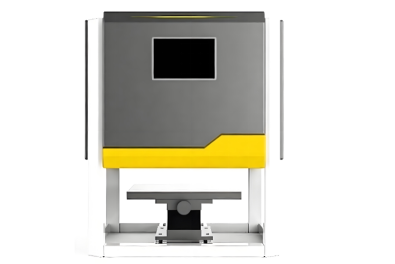
Textile Ultraviolet Protection Tester
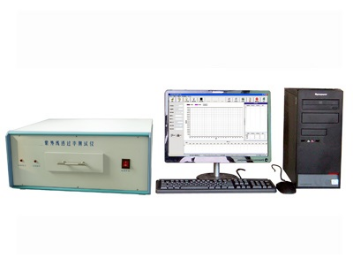


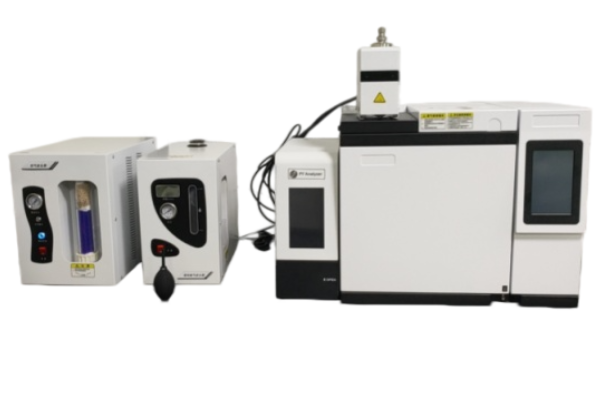
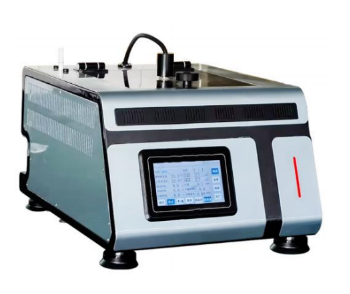
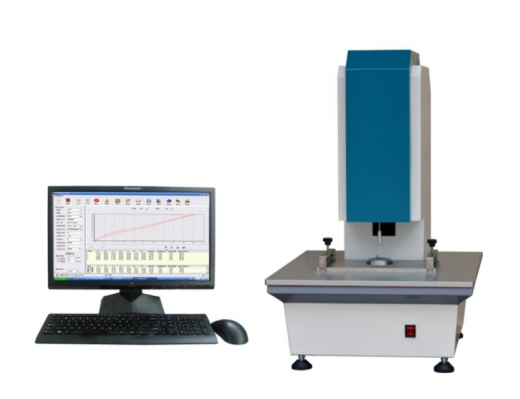
The Textile Ultraviolet Protection Tester is a precision instrument designed to evaluate the ultraviolet (UV) protection performance of textile materials by measuring UV transmittance and calculating key parameters such as UVA, UVB, and UPF values. The G902C uses spectrophotometric measurement technology to provide accurate and repeatable results, helping manufacturers and laboratories assess the sun protection performance of textiles, clothing, and functional fabrics.
Application
Outdoor fabrics, sun-protective clothing, and sportswear
Hats, caps, and headwear materials
Curtains, blinds, and window textiles
Protective textile products for medical or industrial use
Upholstery fabrics and interior decorative textiles
Fabrics for baby products and children’s clothing
It can simulate UV exposure conditions to assess material durability and effectiveness in blocking UVA and UVB rays.
Standards
(1) GB/T 18830-2009: Evaluation of the UV Protection Performance of Textiles (China)
(2) BS 7914-1998: British Standard for Textile UV Protection
(3) AS/NZS 4399-1996: Australian/New Zealand Standard for Sun Protective Clothing
(4) AATCC 183-1998: American Association of Textile Chemists and Colorists UV Testing
(5) PREN 13758-2001: European Standard for UV Protective Textiles
Parameters
| Parameter | Specification |
|---|---|
| UV Transmittance Range | 0–100% ±0.01% |
| Accuracy | ±1% |
| UPF Range | 0–100+ |
| Wavelength Range | 280–400 nm ±0.5 nm |
| Wavelength Repeatability | 0.25 nm |
| Data Interval | ≤5 nm |
| Slit Width | ≤5 nm |
| Sample Beam Diameter | 10 mm |
| Sample Size | ≥Φ45 mm |
| Light Source | HERAEUS Deuterium Lamp |
| Detector | Integrated sphere spectrophotometer with automatic wavelength scanning |
| Display & Control | Full computer control with automated data processing, graphical reporting, and storage |
| Power Supply | AC220V, 50Hz, 100W |
| Dimensions (W×D×H) | 535 × 285 × 375 mm |
| Weight | 20 kg |
Features
(1) Measures textile UV protection performance by analyzing UVA and UVB transmittance.
(2) Provides UPF evaluation results for sun-protective textile testing.
(3) Wide wavelength range of 280–400 nm covers the main ultraviolet spectrum.
(4) High wavelength accuracy ensures reliable measurement results.
(5) Integrated sphere spectrophotometer improves measurement stability.
(6) Automated wavelength scanning reduces manual operation errors.
(7) Computer-controlled system supports data processing, storage, and report generation.
(8) Suitable for textile laboratories, quality inspection, and product certification.
Accessories
(1) AC power cord
(2) USB interface cable
(3) Operation manual and software CD
(4) Calibration certificate
Maintenance Information
Clean the instrument and sample holder regularly to prevent dust accumulation.
Inspect and replace the deuterium lamp according to manufacturer guidelines.
Ensure calibration is performed at least once per month or before critical testing.
Maintain the operating environment at 0–40°C and relative humidity below 85%.
Do not expose the instrument to strong sunlight or high humidity.
FAQ
(1) What does a Textile Ultraviolet Protection Tester measure?
The tester measures the UV transmission performance of textiles and calculates parameters such as UVA, UVB, and UPF values to evaluate the material’s UV protection capability.
(2) What textiles can be tested with this instrument?
It can test sun-protective clothing, outdoor fabrics, sportswear, curtains, industrial textiles, and other materials where UV blocking performance needs to be evaluated.
(3) Why is UPF testing important for textiles?
UPF testing provides quantitative data on a fabric’s ability to block ultraviolet radiation, helping manufacturers verify product performance and meet UV protection requirements.
(4) Which standards are commonly used for textile UV testing?
Common standards include GB/T 18830, AATCC 183, AS/NZS 4399, BS 7914, and other textile UV protection evaluation methods.
(5) How to choose a suitable UV protection tester?
Selection depends on testing standards, sample types, required wavelength range, and data analysis needs. QINSUN engineers can recommend a suitable solution according to your application. Contact us for professional support.
Leave Message Get Price