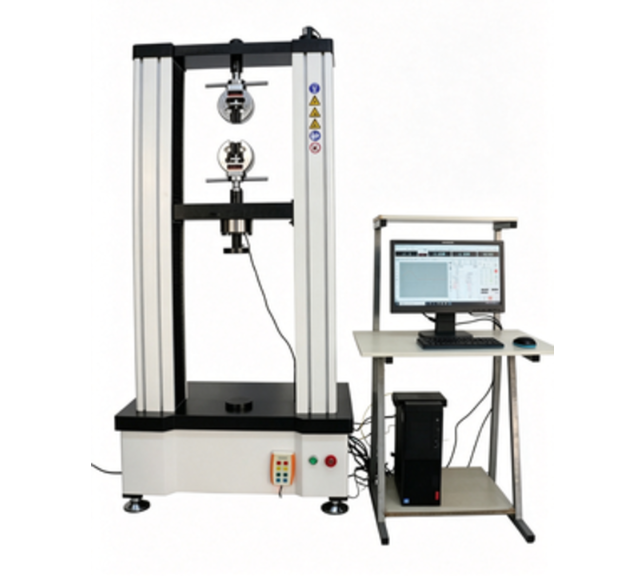
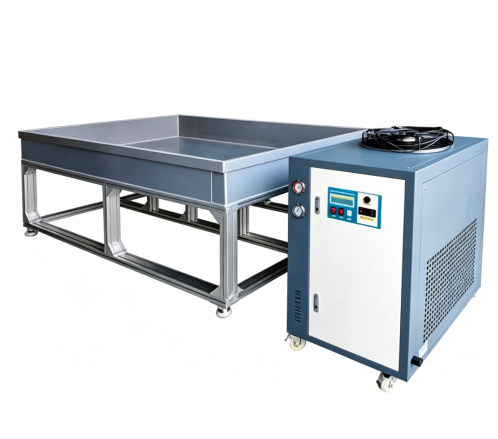
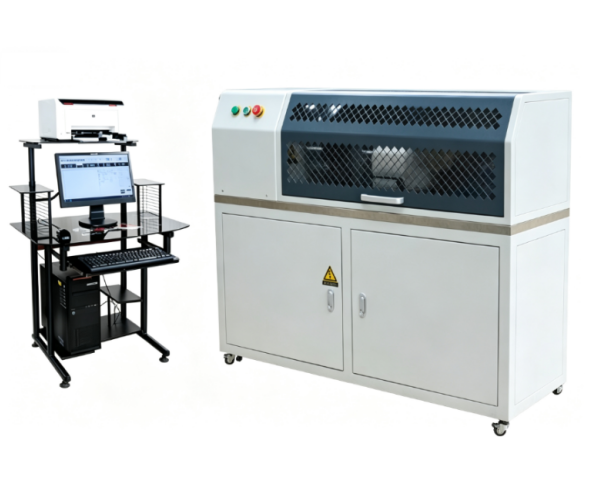
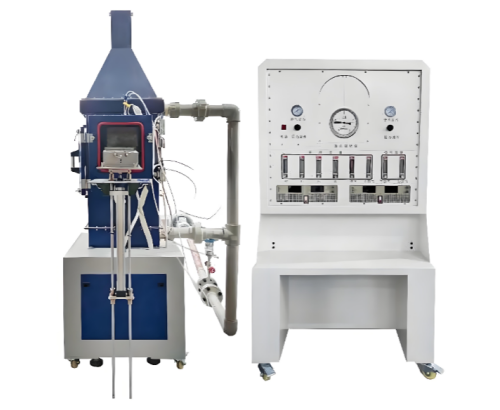
Scratch Resistance Tester
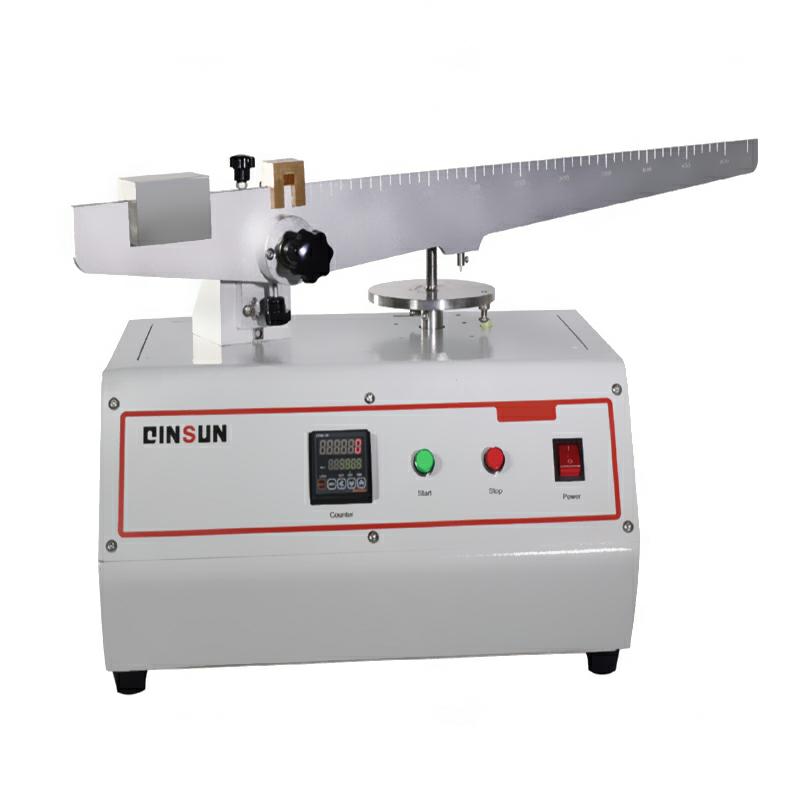


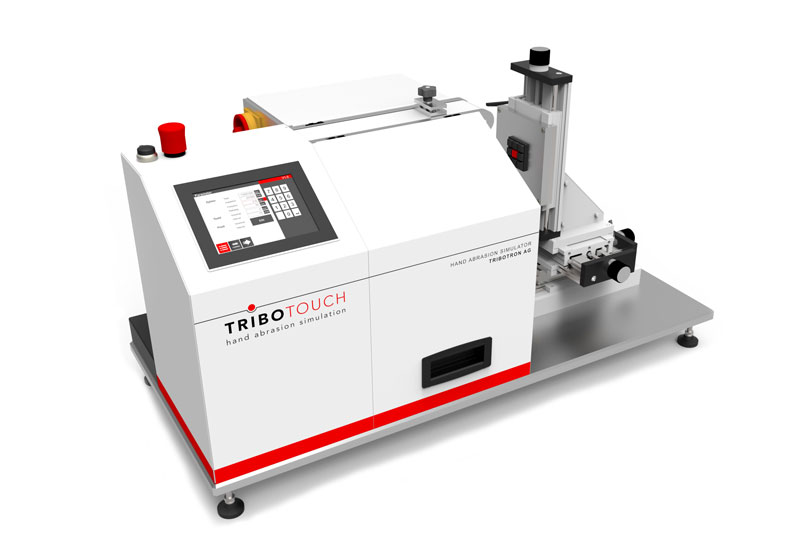
The Scratch Resistance Tester is designed to evaluate the shear, scratch, gouge, scrape, and engraving performance of materials. It is widely applicable to rigid organic materials, plastics, glass, coatings, adhesives, powder coatings, anodized materials, soft metals, and similar surfaces. This tester is ideal for assessing the scratch resistance of engineered boards and decorative laminates, providing precise and repeatable results for quality control and R&D purposes.
Application
(1) Scratch resistance testing of engineered boards and decorative laminates
(2) Evaluation of coatings, adhesives, and powder-coated surfaces
(3) Mechanical and surface durability testing of plastics, glass, and metals
(4) Assessment of extreme material performance limits for same-material applications
(5) Quality control for industrial manufacturing and material research
Standards
(1) GB/T 17657-1999 – Physical and chemical test methods for wood-based panels and decorative veneers
(2) ISO 4586-2 – Wood-based panels – Surface properties – Part 2: Determination of resistance to surface wear
(3) JIS K6902 – Test methods for scratch resistance of decorative laminates
(4) Federal Standards series – Scratch resistance
(5) Terrazzo 90322-9E-1
(6) UNI 9428 – Furniture
(7) AS/NZS AS2924.2 – Surface durability
(8) ASTM C217 – Abrasion and scratch resistance
(9) CEN series standards
(10) DIN 53799
(11) DIN 68861-4
Parameters
| Parameter | Specification |
|---|---|
| Control Screen | Intelligent electronic counter / timer |
| Test Mode | Automatic |
| Test Speed | 1 RPM / 5 RFM |
| Stroke | 360° |
| Test Area | 1/2" – 4" |
| Scratch Head | Interchangeable |
| Applied Load | 0 – 5 N / 0 – 10 N (infinitely adjustable) |
| Sample Thickness | ≤ 20 mm |
| Weight | 25 kg |
| Power Supply | 200 V, 50 Hz |
| Dimensions (L×W×H) | 700 × 400 × 400 mm |
Features
(1) Simple operation with intelligent electronic counter and timer
(2) Automatic test mode ensures consistent and repeatable results
(3) Interchangeable scratch heads for various test requirements
(4) Adjustable load provides flexibility for different material hardness
(5) Portable and compact design suitable for laboratory and production environments
Accessories
(1) Standard scratch heads (interchangeable)
(2) Sample holding platform
(3) Calibration weights and tools
(4) Instruction manual and software (if applicable)
Test Procedures
Place the sample on the test platform, ensuring proper alignment.
Select and install the desired scratch head and set the applied load.
Program the test speed and stroke according to the material and standard requirements.
Start the automatic test cycle.
Observe and record the scratch resistance performance.
Remove the sample and evaluate the results based on standard criteria.
Maintenance Information
(1) Inspect scratch heads and replace if worn or damaged.
(2) Keep the sample platform clean and free from debris.
(3) Verify calibration of load and stroke periodically.
(4) Lubricate moving parts as recommended.
(5) Ensure electrical connections are secure and the control system functions correctly.
FAQ
(1) What materials can be tested by the Scratch Resistance Tester?
The Scratch Resistance Tester is designed for evaluating surface resistance of plastics, glass, coatings, adhesives, powder coatings, anodized materials, soft metals, engineered boards, and decorative laminates. It measures resistance against scratching, scraping, gouging, and engraving damage, making it suitable for material development, production inspection, and laboratory durability evaluation.
(2) How does the Scratch Resistance Tester evaluate surface durability?
The Scratch Resistance Tester applies a controlled load through an interchangeable scratch head while moving at a defined speed and stroke. By observing and analyzing the resulting scratch marks, manufacturers can compare surface durability and determine whether materials meet requirements specified in standards such as GB/T 17657, ISO 4586-2, and JIS K6902.
(3) What load range does the Scratch Resistance Tester provide?
The Scratch Resistance Tester supports adjustable loads of 0–5 N and 0–10 N, allowing users to test different material hardness levels. The adjustable loading system makes it suitable for soft materials such as plastics and coatings as well as harder surfaces such as laminates and metal-treated materials.
(4) Why are interchangeable scratch heads important for scratch testing?
Different materials require different scratch tools to accurately simulate surface damage conditions. The Scratch Resistance Tester uses interchangeable scratch heads, allowing laboratories to select suitable test accessories according to material type and applicable standards, improving test accuracy and repeatability for different applications.
(5) What should be considered when purchasing a Scratch Resistance Tester?
When selecting a Scratch Resistance Tester, users should consider load range, test speed control, standard compliance, sample size compatibility, and repeatability. The instrument should meet the requirements of relevant standards such as ISO 4586-2, GB/T 17657, and ASTM C217 while providing stable operation for quality control and R&D testing.
Leave Message Get Price