Electronic Tracking Index Tester IEC 60112
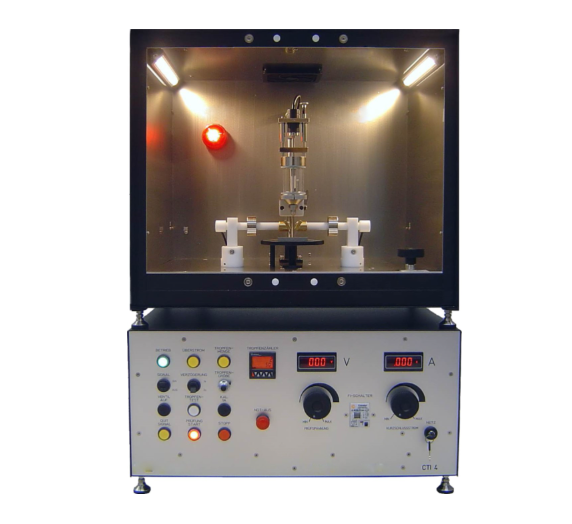


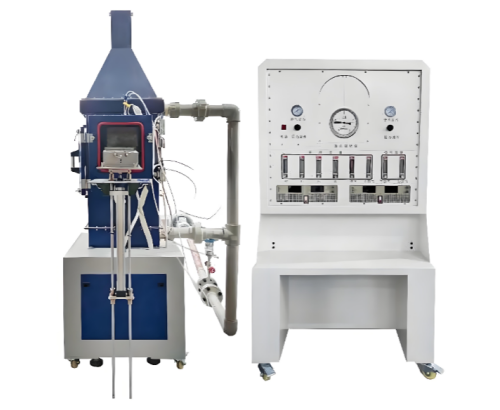
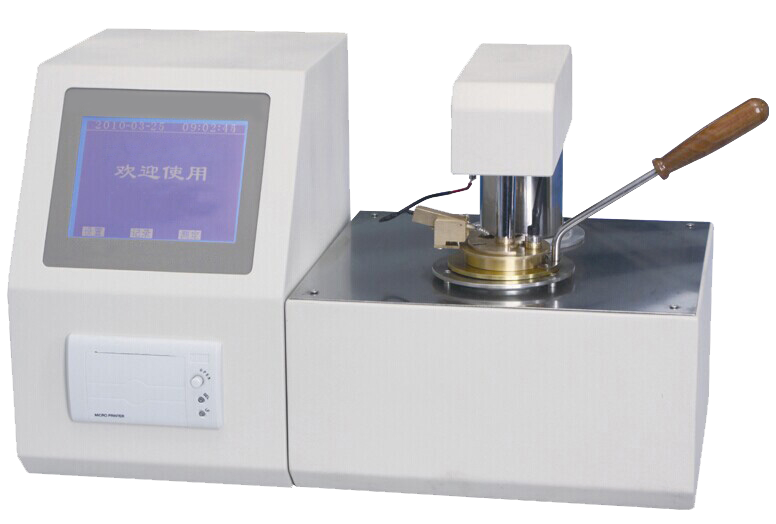
The Electronic Tracking Index Tester is designed for evaluating the electrical tracking resistance of solid insulating materials. It measures the Comparative Tracking Index (CTI) and Proof Tracking Index (PTI) in accordance with DIN EN 60112 and DIN EN 60695-2 standards. The instrument delivers accurate, repeatable, and safe testing of insulation surfaces under controlled electrolyte droplet conditions.
The IEC 60112 Electronic Tracking Index Tester provides a reliable method for evaluating the surface tracking resistance of solid insulating materials. With controlled electrolyte application, adjustable electrical parameters, and standardized testing procedures, it supports material evaluation, product safety verification, and quality control in electrical and electronic industries.
Application
(1) Electrical insulation materials testing: evaluating PTI and CTI of plastics, ceramics, and composite insulating materials
(2) Electronic component manufacturing: assessing insulation resistance and surface tracking of switchgear, connectors, and PCB substrates
(3) Cable and wire industry: testing solid insulation on wires, cables, and coated conductors
(4) Transformer and motor components: evaluating insulating parts for tracking resistance under high voltage stress
(5) Research and development laboratories: developing new polymer composites, epoxy resins, and insulating materials
(6) Educational institutions: teaching high-voltage testing methods, insulation safety, and CTI/PTI measurement principles
(7) QC and inspection laboratories: routine verification of insulation performance for compliance with international standards
Standards
(1) DIN EN 60112 — Method for determining the Comparative Tracking Index (CTI) of solid insulating materials
(2) DIN EN 60695-2 — Fire hazard testing — Part 2: Test methods for tracking and surface resistance
(3) IEC 60112 — Electrical insulating materials — Determination of tracking resistance
(4) Relevant ISO and national standards for electrical insulation safety testing
Technical Parameters
| Parameter | Specification |
|---|---|
| Test Target | CTI / PTI |
| Test Voltage | 0–600 V (adjustable) |
| Test Current | Adjustable |
| Droplet Interval | 30 seconds |
| Droplet Size | Adjustable |
| Droplet Count | Adjustable (typically 50 droplets per sample) |
| Units Dimensions (W×H×L) | Control Unit: 610 × 305 × 600 mm; Test Unit: 610 × 550 × 450 mm |
| Weight | Approx. 27 kg |
| Power Supply | 230 V |
| Accessories | Platinum electrodes, droppers, glass test plate |
Features
(1) Measures Comparative Tracking Index (CTI) and Proof Tracking Index (PTI)
(2) Adjustable test voltage, current, extinguishing time, droplet size, and droplet count
(3) R.M.S display of current and voltage for precise monitoring
(4) Automatic droplet interval: 30 seconds per droplet
(5) Safe testing environment with controlled electrolyte application between platinum electrodes
(6) Compact control and test units for laboratory placement
(7) Includes essential accessories: platinum electrodes, droppers, and glass test plate
FAQ
(1) What is the Electronic Tracking Index Tester?
It is a precision instrument for determining the Comparative Tracking Index (CTI) and Proof Tracking Index (PTI) of solid insulating materials.
(2) What is this equipment used for?
It is used to evaluate electrical insulation resistance and surface tracking characteristics of plastics, ceramics, wires, cables, and polymer composites.
(3) What types are available?
Standard laboratory units with adjustable voltage and droplet control; optional configurations for higher voltage or multiple sample testing available.
(4) What industry problems can it solve?
Ensures insulation materials meet safety standards, prevents electrical failures due to tracking, and verifies material suitability for high-voltage applications.
(5) What is the difference between CTI and PTI testing?
CTI determines the maximum voltage level at which a material can resist tracking under specified conditions, while PTI verifies whether a material can withstand a defined voltage value. Both are important indicators for insulation safety evaluation.
(6) Why is electrolyte dripping used during the test?
Electrolyte droplets simulate contamination and moisture conditions that may create leakage paths on insulation surfaces. This helps evaluate the material’s ability to resist electrical tracking during actual service conditions.
(7) What should laboratories consider when purchasing a tracking index tester?
Selection should consider applicable standards, voltage range, electrode accuracy, droplet control stability, and safety design. For different testing requirements, QINSUN engineers can provide suitable equipment recommendations.
(8) Why is IEC 60112 widely used for insulation testing?
IEC 60112 provides a recognized test method for determining CTI and PTI values of solid insulating materials. These results are commonly used for material selection, electrical design, and safety assessment of electronic products.
Leave Message Get Price