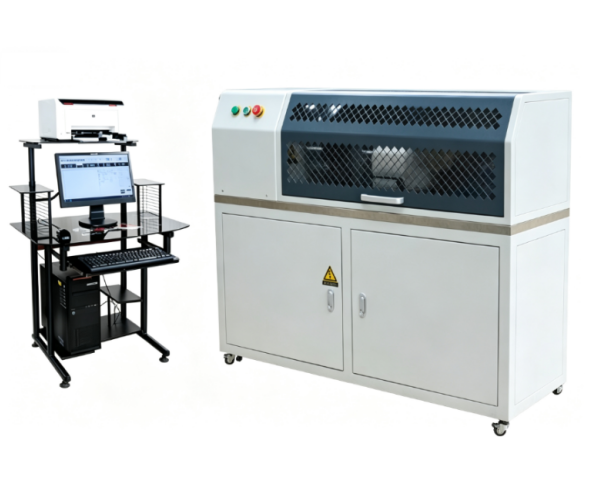
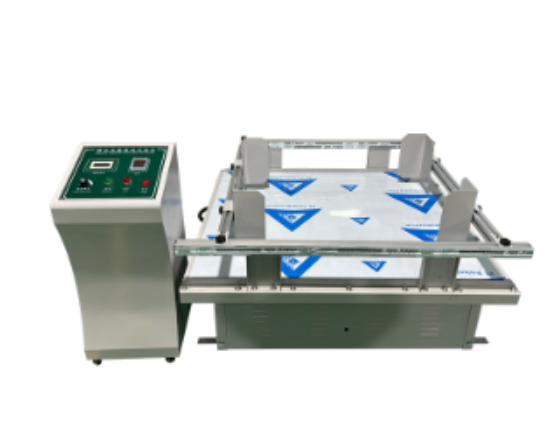
Carpet Flammability Tester


Application
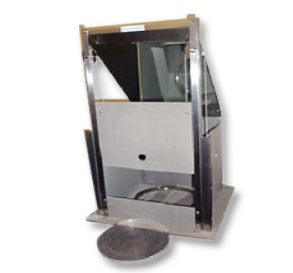
The Carpet Flammability Tester is used to evaluate the flammability of carpets when exposed to small ignition sources. It simulates real-life fire hazards to determine the fire performance of carpets and other floor coverings. The tester supports two main testing methods: the Hot Metal Nut Method (BS 4790) and the Polymer Plate Method (ISO 6925, BS 6307), making it suitable for regulatory compliance testing and quality assurance in carpet manufacturing.
Standards
BS 4790 – Methods for assessing the ignitability of carpets by a small flame or hot metal nut.
ISO 6925 – International standard for the determination of carpet ignitability using a small ignition source.
BS 6307 – British standard specifying flammability test methods for carpets.
Additional relevant standards often referenced for carpet flammability testing:
NFPA 253 – Standard test method for critical radiant flux of floor covering systems using a radiant heat energy source.
ASTM E648 – Standard test method for critical radiant flux of floor covering systems.
Parameters
| Parameter | Specification |
|---|---|
| Test Methods | Hot Metal Nut Method, Polymer Plate Method |
| Hot Nut Temperature | 900°C |
| Sample Size | Typically according to BS/ISO requirements |
| Test Chamber | Flame-retardant and heat-resistant plates with sliding plate |
| Observation | Mirror on top of the chamber for easy monitoring |
| Power Supply | AC 220V, 50Hz (typical, depending on model) |
| Dimensions | Model dependent |
| Consumables | M16 nut (hot nut method), polymer plate (polymer plate method), test accessories for both methods |
Advantages
Dual testing methods accommodate multiple international standards.
Sliding plate design facilitates easy loading and unloading of samples.
Top-mounted mirror allows safe and clear observation of the sample during testing.
Test chamber constructed from flame-retardant and heat-resistant materials for operator safety.
Provides reliable and reproducible measurements for carpet flammability assessment.
Suitable for both regulatory compliance testing and in-house quality control.
FAQ
What is the Hot Metal Nut Method?
This method uses a stainless steel nut heated to 900°C to evaluate the spread of ignition on carpet surfaces. The heated nut is placed on the carpet sample for 30 seconds, and the burn area is then measured.
What is the Polymer Plate Method?
The polymer plate method uses a small ignited plate placed on the carpet sample to simulate ignition by a small flame. After the flame extinguishes, the combustion effect is assessed.
Can this tester meet international standards?
Yes, it supports BS 4790, ISO 6925, and BS 6307, making it suitable for international compliance testing.
What types of carpets can be tested?
Loop-pile, cut-pile, and other textile floor coverings commonly used in homes, offices, and public spaces.
How are results evaluated?
The spread of ignition and combustion behavior is measured after testing, providing quantitative and qualitative assessment of flammability.
Is it safe to operate?
Yes, the test chamber is made of flame-retardant materials, the sliding plate minimizes direct handling, and observation is done safely via the top mirror.
Are additional consumables required?
Consumables include the M16 nut for the hot nut method, the polymer plate for the polymer plate method, and accessory kits for sample placement and testing.
Leave Message Get Price