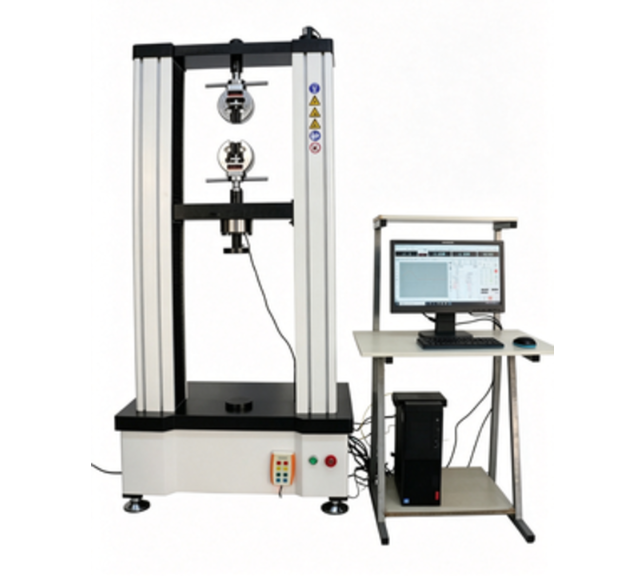
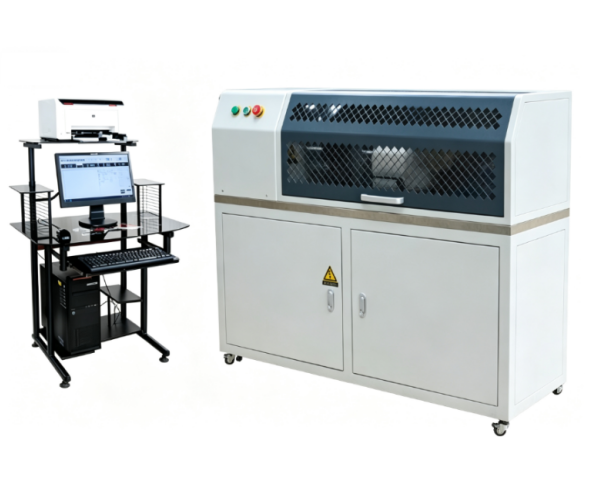
Surgical Blade Sharpness Tester
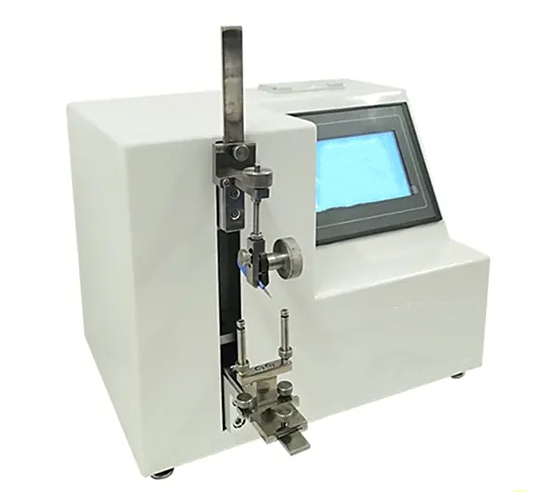


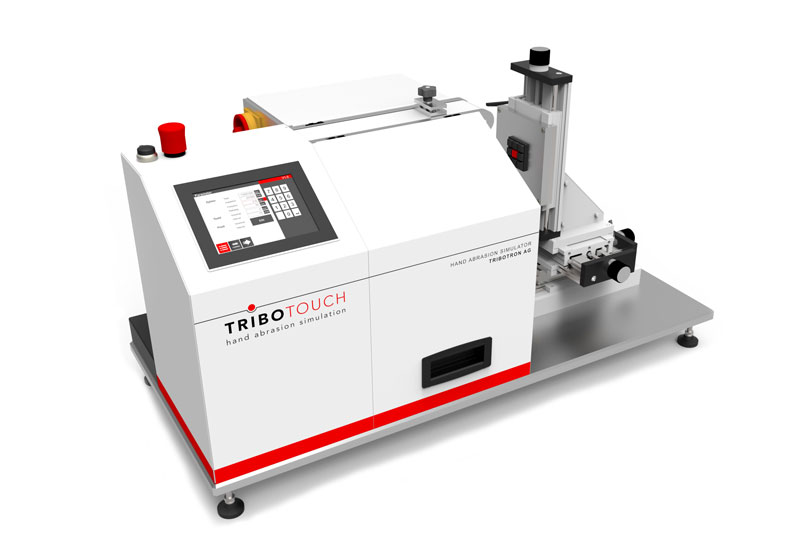
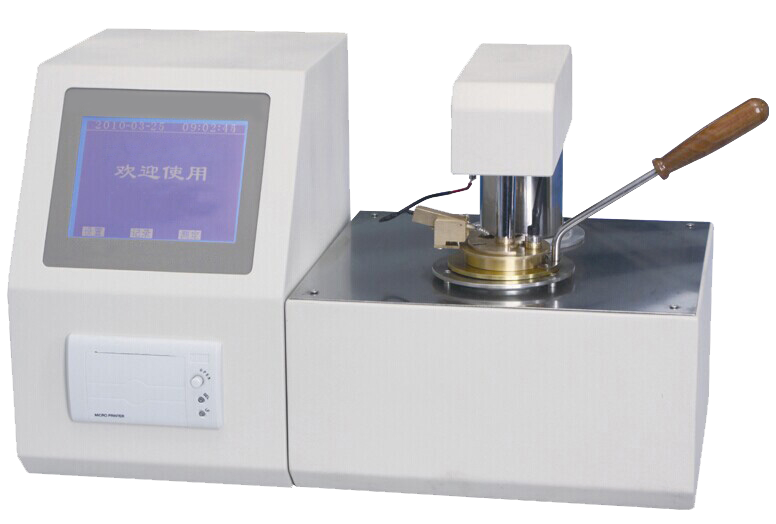
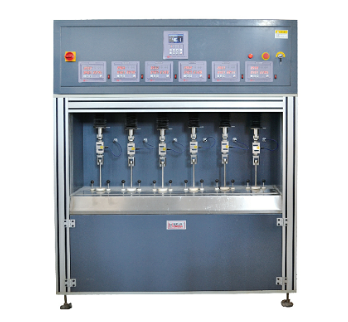
A Surgical Blade Sharpness Tester is designed to evaluate the cutting performance and sharpness of surgical blades by measuring the force required for the blade to penetrate or cut a standardized test medium.
The sharpness of a surgical blade directly affects cutting efficiency, surgical precision, and user experience. Sharpness testing equipment is commonly used by surgical blade manufacturers, medical device companies, and quality control laboratories to verify blade performance during product development, incoming inspection, and production quality control.
Main Uses
Quality Control in Medical Device Manufacturing: In medical device manufacturing enterprises, the Sharpness Tester for Surgical Blades is used to conduct quality inspections on surgical blades. By simulating the cutting process in surgery and measuring the force required for the blade to cut through standard suture lines or other test materials, it assesses whether the sharpness of the blade meets relevant standard requirements. Only products with qualified sharpness can enter the market, thus ensuring the quality and safety of surgical instruments and providing a guarantee for the smooth progress of surgeries.
Inspection and Selection by Medical Institutions: Medical institutions such as hospitals also use the sharpness tester for surgical blades to regularly inspect the sharpness of surgical blades. This helps doctors understand the performance of the blades before surgery, select the most suitable surgical instruments, improve surgical efficiency, reduce tissue damage and patient pain during surgery, and at the same time, lower the risks of postoperative infections and complications.
Quality Inspection in Tool Manufacturing: In tool manufacturing enterprises, the sharpness tester for surgical blades can be used to test the sharpness of blades of different types and uses, ensuring that each batch of blades has stable sharpness performance to meet users' needs.
Product R & D and Improvement: The sharpness tester for surgical blades is also used in the R & D process of cutting tools. Manufacturers can test blades made of different materials, with different processes and designs, collect relevant data, analyze the relationship between sharpness and materials, processes, etc., so as to optimize product design, improve the sharpness and durability of blades, and launch more competitive products.
Teaching Practice and Training: In the teaching practice of relevant majors, the sharpness tester for surgical blades is an important teaching tool. It can help students intuitively understand the concept and testing methods of blade sharpness, and cultivate students' practical operation ability and scientific thinking.
Compliance Standards
YY 0174 - 2019 Surgical Blades, etc.
Technical Parameters
Testing Range: The force value testing range is usually 0.1N - 10.0N, with an error not exceeding ±0.01N.
Blade Types: It can test various specifications of surgical blades, such as straight knives, circular knives, and ophthalmic knives with angles.
Testing Rate: The testing speed usually does not exceed 10mm/s, with an error range within ±1mm/min (the testing speed can be set by software).
Other Functions: The tester is usually equipped with high - precision sensors and a measurement system, which can accurately measure the force and displacement required during the cutting process.
By applying PLC/ARM technology, the operation of the tester is more intelligent. It is equipped with a programmable controller and a touch - screen operation interface, which is convenient for users to set and operate.
The tester can display the applied pressure value and test data in real - time, facilitating users to observe and analyze the test results.
The tester has a built - in Chinese - English bilingual input function, which is convenient for domestic and foreign users.
FAQ
(1)How is surgical blade sharpness measured?
Surgical blade sharpness is commonly evaluated by measuring the force required for a blade to cut or penetrate a standardized test medium. A sharper blade generally requires less cutting force under the same test conditions. A Surgical Blade Sharpness Tester provides quantitative data by recording cutting force or penetration force, allowing manufacturers to compare blade performance and monitor consistency between production batches.
(2)Why do surgical blade manufacturers need a sharpness tester?
For surgical blade manufacturers, sharpness testing is an important part of quality control because blade performance can be affected by factors such as raw material, grinding process, edge geometry, and manufacturing consistency. Testing helps verify whether blades from different production batches maintain consistent cutting performance and allows manufacturers to identify process variations before products are released.
(3)What factors affect the sharpness of a surgical blade?
The sharpness of a surgical blade depends on multiple factors, including blade material, edge angle, grinding and polishing process, heat treatment, surface condition, and manufacturing accuracy. Even small differences in blade processing can influence cutting force. Sharpness testing helps manufacturers evaluate the actual cutting performance rather than relying only on visual inspection of the blade edge.
(4)What types of blades can be tested with a Surgical Blade Sharpness Tester?
A Surgical Blade Sharpness Tester is mainly used for evaluating surgical cutting blades, such as disposable scalpel blades and other medical cutting instruments. The suitable blade types depend on the tester design, fixture configuration, and test method. Before testing, users usually confirm the blade dimensions, intended application, and required evaluation method to ensure the equipment matches their products.
(5)What is the difference between blade sharpness testing and blade cutting force testing?
Blade sharpness testing and cutting force testing are closely related because cutting force is one of the common ways to evaluate sharpness. A sharp blade typically requires lower force to cut a specified material under controlled conditions. However, the test result also depends on the test medium, cutting speed, blade angle, and measurement method. Therefore, test conditions must be controlled when comparing different blades.
(6)Does surgical blade sharpness testing have a specific international standard?
Surgical blade testing requirements depend on the blade type, manufacturer specifications, customer requirements, and applicable quality systems. Standards such as ISO 7740 address dimensions and requirements for surgical instruments with detachable blades, while medical device manufacturers may also follow internal validation methods and quality management requirements such as ISO 13485. The specific sharpness evaluation method should be defined according to the product application and testing purpose.
(7)How can a sharpness tester help improve surgical blade production quality?
A sharpness tester provides measurable performance data that can be used to monitor manufacturing stability. By comparing test results from different production batches, manufacturers can evaluate whether grinding, polishing, and assembly processes are producing consistent blade performance. This data can support process optimization, supplier evaluation, and quality inspection procedures.
(8)What should be considered when choosing a Surgical Blade Sharpness Tester?
When selecting a Surgical Blade Sharpness Tester, users should consider the type of blades being tested, required test method, measurement range, fixture compatibility, repeatability, and whether the equipment fits their quality control process. Medical device manufacturers and laboratories should prioritize testing accuracy and compatibility with their specific blade products rather than choosing equipment based only on basic specifications.
Leave Message Get Price