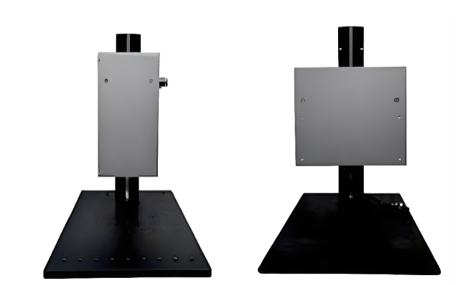
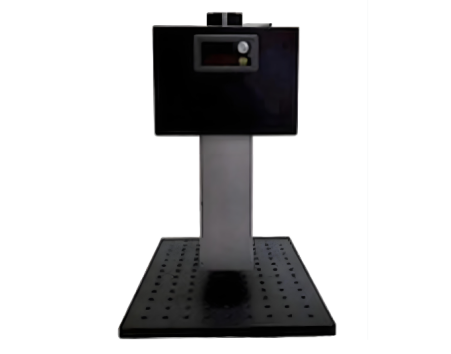
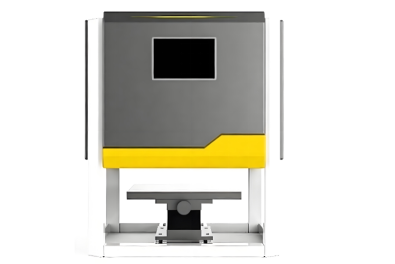
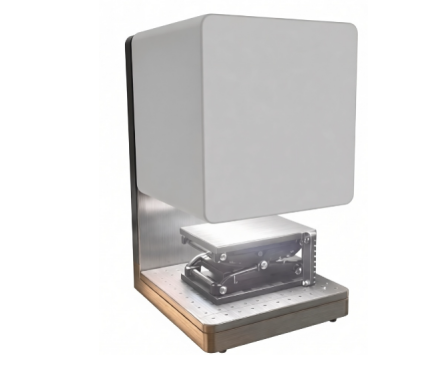
Fire Retardant Wood Stack Method Burning Test Equipment
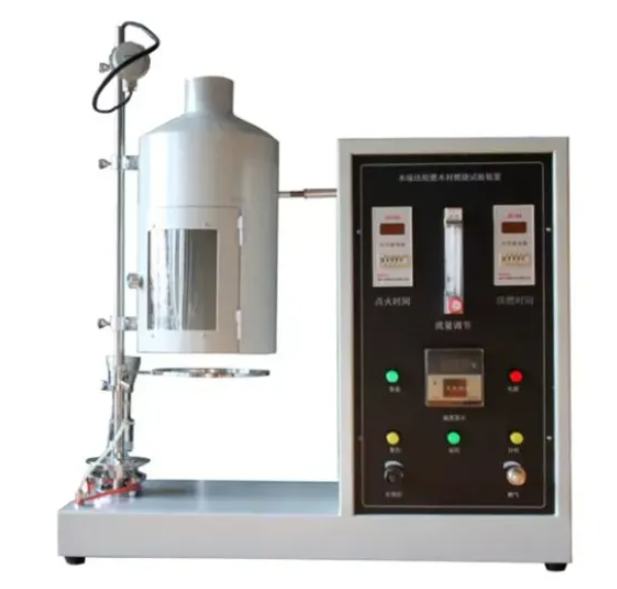


The Fire Retardant Wood Stack Method Burning Test Equipment is developed with reference to GA/T 42.1, Fire Retardant Wood Combustion Performance Test Method – Wood Stack Method. The MDF-1 tester is used to determine the mass loss rate and flame burning time of wood with a thickness above 20 mm after flame-retardant impregnation treatment under specified combustion conditions.
Application
(1) Fire-Retardant Wood Testing – Evaluates the combustion performance of wood after flame-retardant treatment.
(2) MDF and Wood Products – Suitable for wood materials used in production and engineering applications.
(3) Material Quality Control – Determines mass loss and flame burning time under specified combustion conditions.
(4) Fire-Retardant Treatment Evaluation – Used to assess the combustion performance of wood following flame-retardant impregnation.
Standards
(1) GA/T 42.1 – Fire Retardant Wood Combustion Performance Test Method – Wood Stack Method
No additional standards are listed because they were not provided in the source information.
Parameters
| Parameter | Specification |
|---|---|
| Model | MDF-1 |
| Test Method | Wood stack method |
| Applicable Wood Thickness | Above 20 mm |
| Ambient Temperature | Room temperature – 35°C |
| Ambient Humidity | ≤70% RH |
| Working Voltage | AC 220 ± 10 V |
| Gas Source | Natural gas or liquefied petroleum gas |
| Timing Accuracy | 0.1 s |
| Temperature Error | 310°C ±10°C |
| Specimen Size | 76 mm × 13 mm × 13 mm |
| Specimen Cutting Error | ±1 mm |
| Conditioning Temperature | 23 ± 2°C |
| Conditioning Relative Humidity | 50 ± 5% RH |
| Conditioning Interval | 24 h |
| Mass Change Requirement | ≤1% between two weighings |
Features
(1) Dedicated Wood Testing – Designed specifically for the wood stack combustion test method.
(2) Flame-Retardant Evaluation – Suitable for evaluating wood after flame-retardant impregnation.
(3) Controlled Test Conditions – Provides specified temperature, humidity, voltage and combustion conditions.
(4) Mass Loss and Burning Assessment – Used to determine combustion quality loss and flame burning time.
(5) Standard-Based Design – Developed with reference to GA/T 42.1 requirements.
Leave Message Get Price