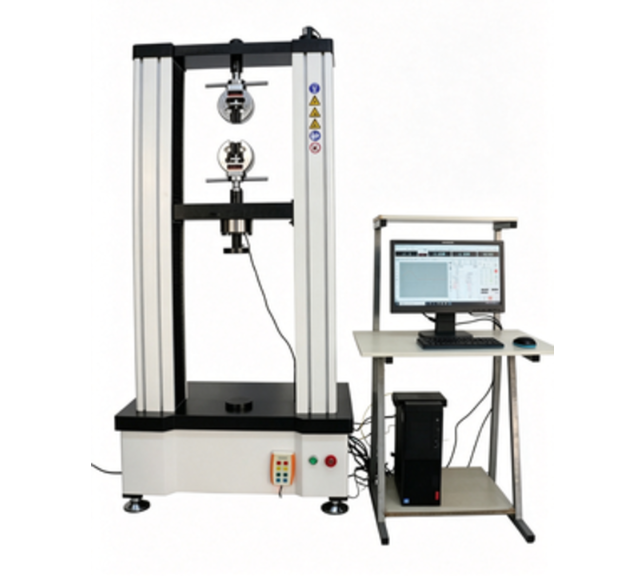
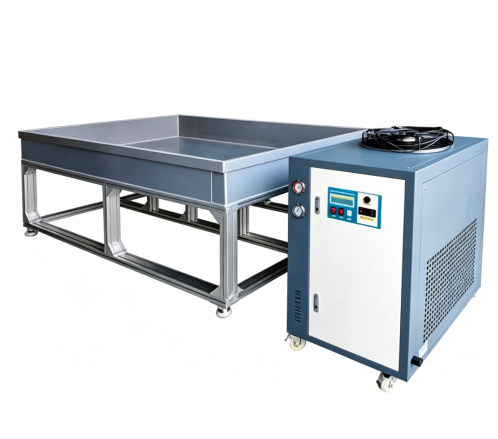
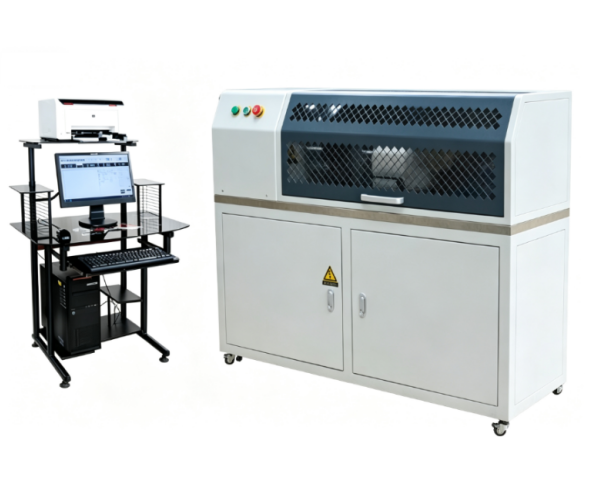
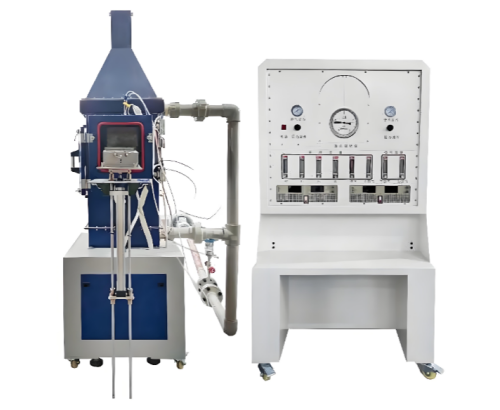
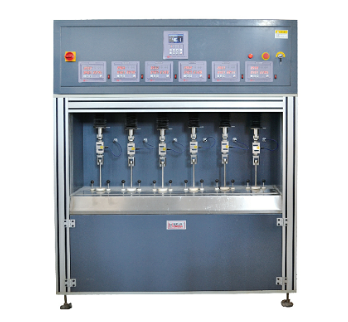
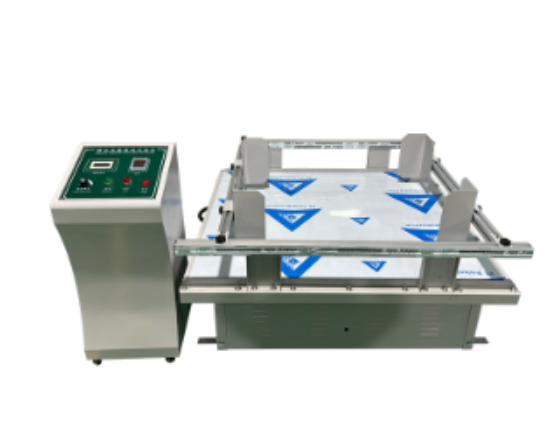
Thermal - Cold Cycle Testing Machine
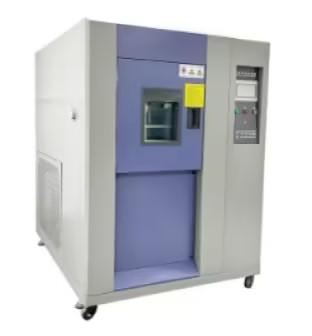


The Thermal-Cold Cycle Testing Machine is designed to evaluate the resistance of materials and components to repeated temperature variations. It supports high-temperature, low-temperature, and thermal cycling tests, with optional pressure functionality for specific applications.
Applications
Reliability testing of electronic and electrical components
Thermal resistance validation of automotive materials
Material screening under cyclic temperature conditions
Environmental simulation for aerospace applications
Standards
GB/T 2423 series
BS 7291
ISO / ASTM / EN (configurable)
Technical Parameters
| Specification | 1769 Series | 1770 Series |
|---|---|---|
| Temperature Range | -20°C to 114°C | -20°C to 95°C |
| Max Pressure | 16 bar | N/A |
| Flow Rate | 25 m³/h | 25 m³/h |
| Max Sample Diameter | 160 mm | 160 mm |
| Power Supply | 380V 3-phase | 220V single-phase |
| Chamber Volume | 850L | 600L |
| Dimensions | 1200 × 800 × 1900 mm | 900 × 700 × 1700 mm |
| Weight | 680 kg | 520 kg |
Features
(1) Temperature Control System
Wide temperature range from -20°C to 114°C (model dependent)
Uniform temperature distribution through forced circulation
Programmable temperature cycling profiles
(2) Chamber Structure
Two-chamber or three-chamber configuration for rapid cycling
Insulated enclosure minimizes thermal loss
Large chamber capacity (up to 1200 L optional)
(3) Load and Sample Handling
Adjustable fixtures for different specimen geometries
Load monitoring system (0–500N) for stress-assisted testing
Support for irregular samples
(4) Control System
Programmable controller with multi-step test sequencing
Data logging and storage for long-duration testing
Multi-language human-machine interface
(5) Safety and Maintenance
Over-temperature protection system
Pressure protection (1769 series)
Self-cleaning water circulation system
FAQ
Q1: What is the difference between thermal cycling and thermal shock testing?
Thermal cycling involves gradual temperature transitions, while thermal shock involves rapid transfer between extreme temperatures.
Q2: How is temperature uniformity ensured?
Through forced air or liquid circulation combined with calibrated control systems.
Q3: When is a pressurized system required?
For testing components such as pipes or sealed systems under combined temperature and pressure conditions.
Q4: What are the key selection criteria?
Temperature range, chamber volume, pressure requirement, and test standards compliance.
Leave Message Get Price